The Robot - CGI + AI Animation short
Type: Solo Animation Film Project
My Role: ideation , Start to End of Production
3D Software: Blender, Nuke, Maya. Cinema 4D, Zbrush, Substance Painter, Photoshop
Rendering: Cycle GPU
AI : VEO 3 , Wan 2.2
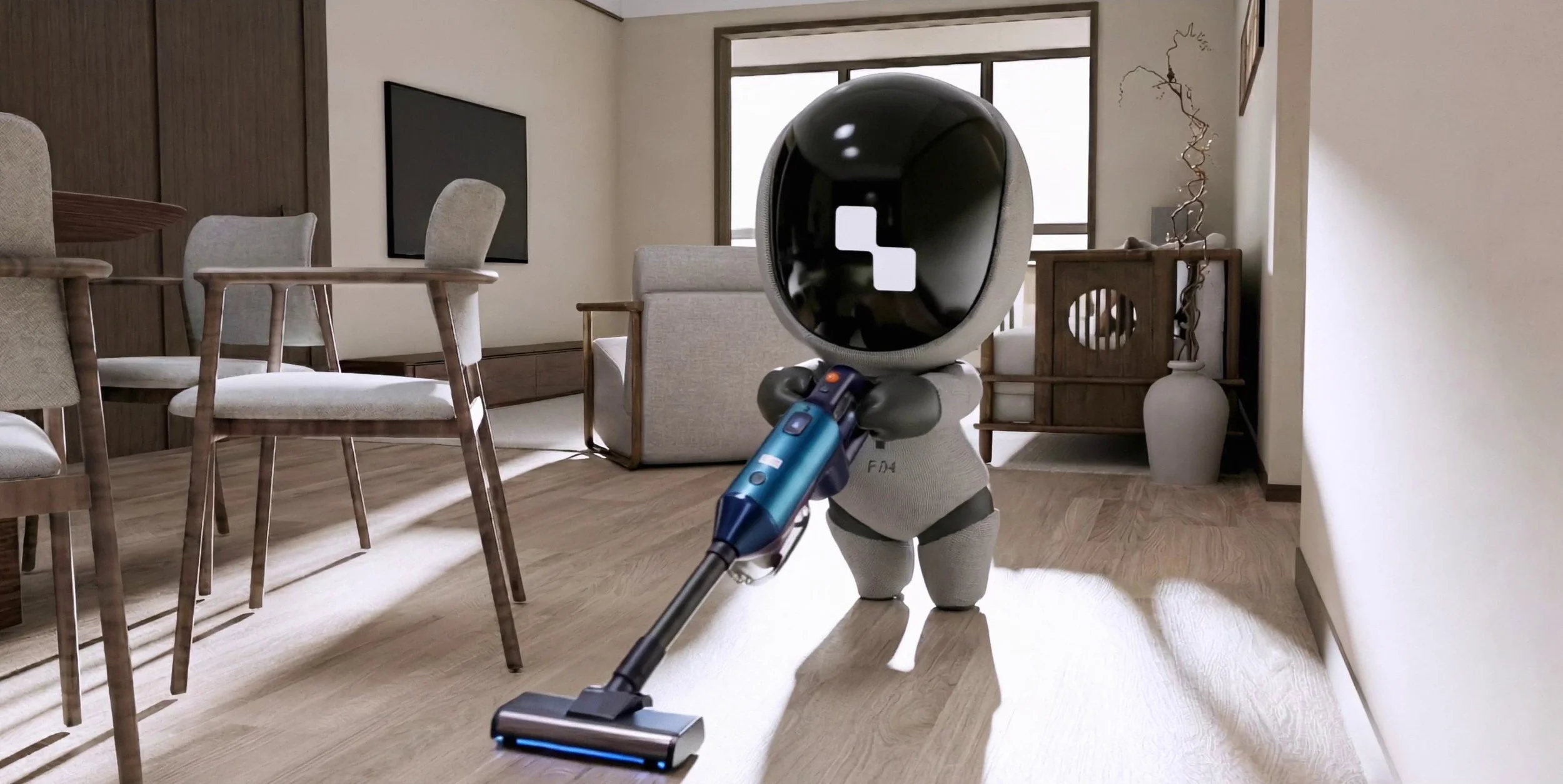
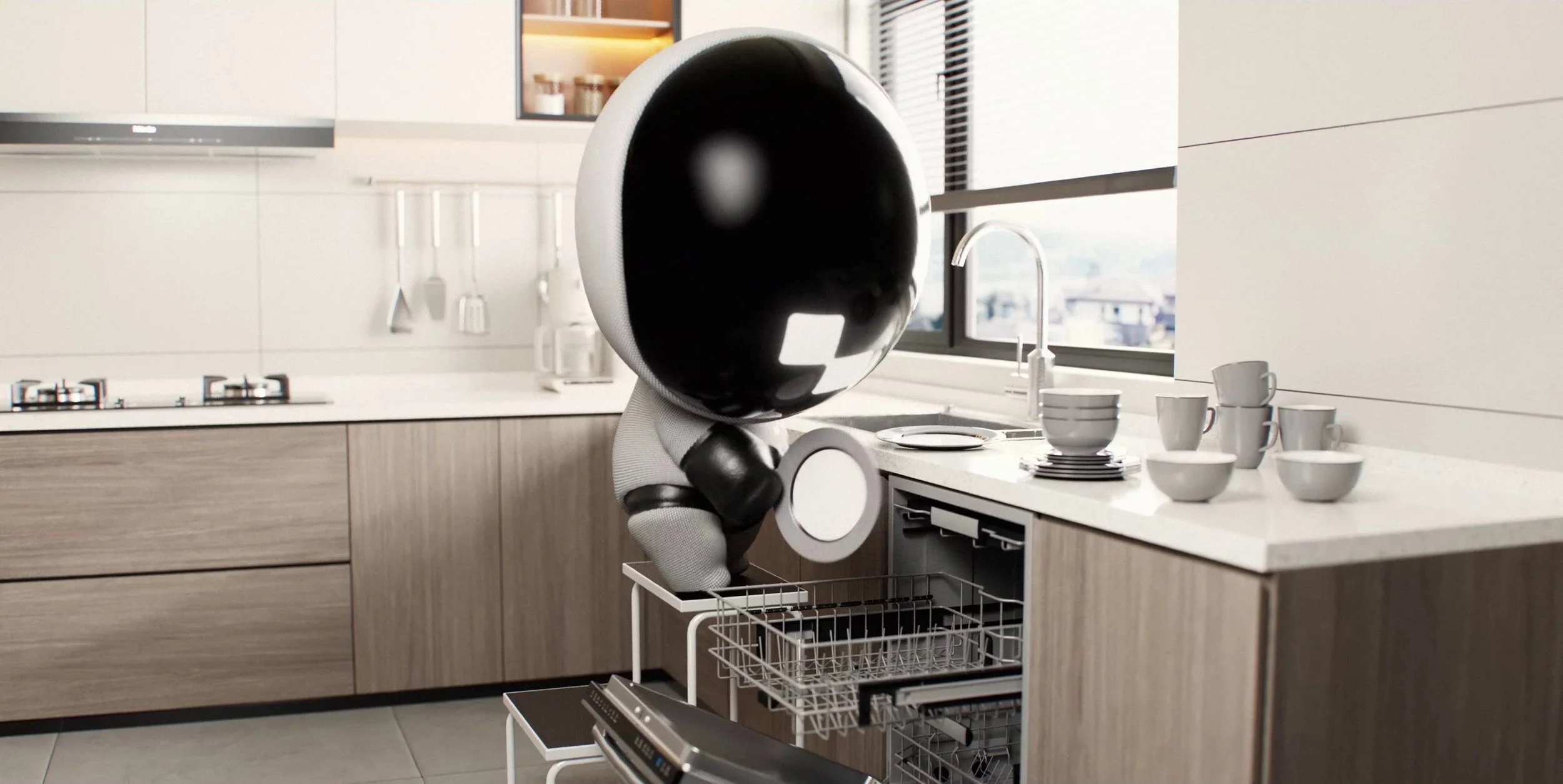
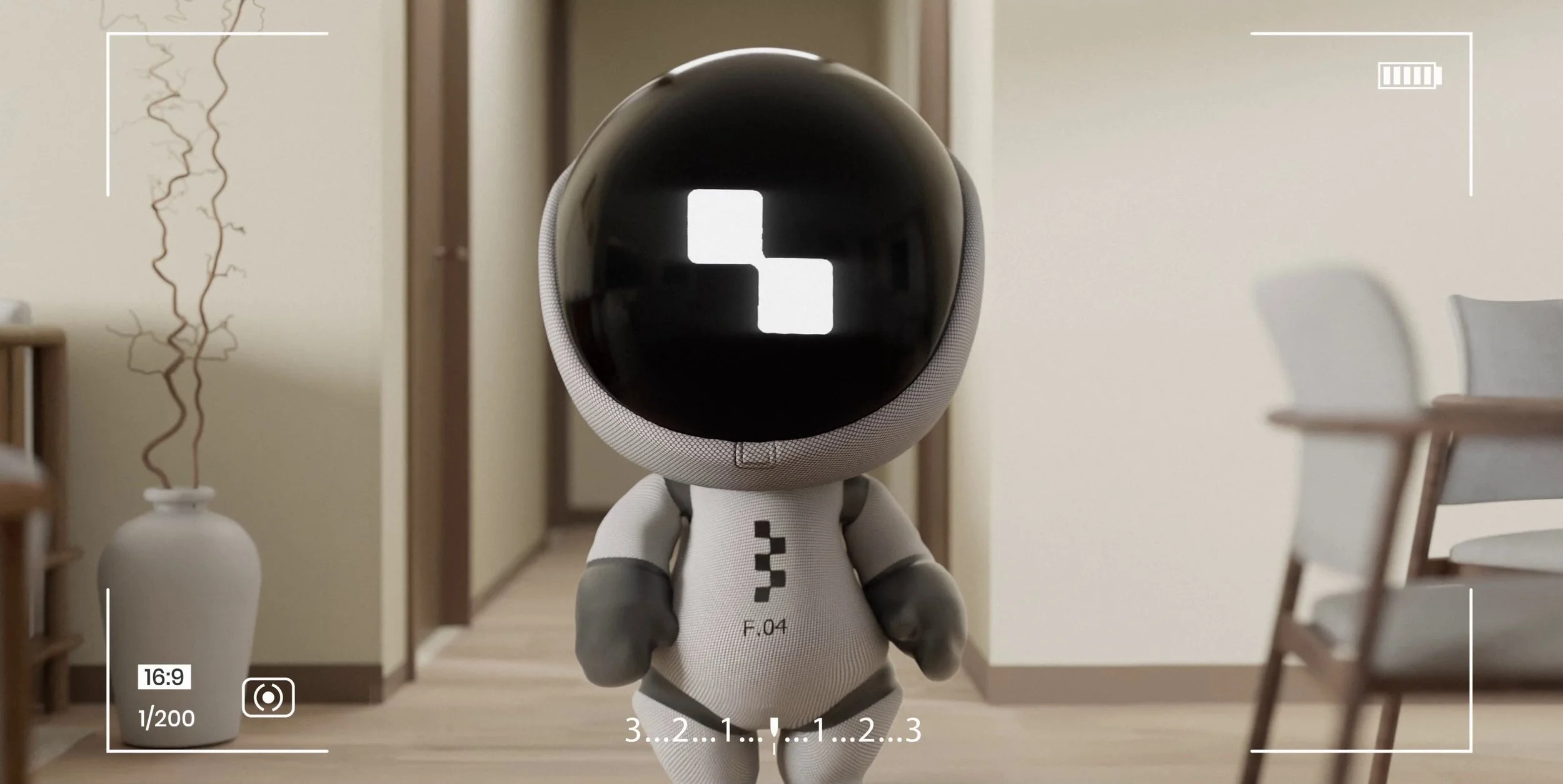
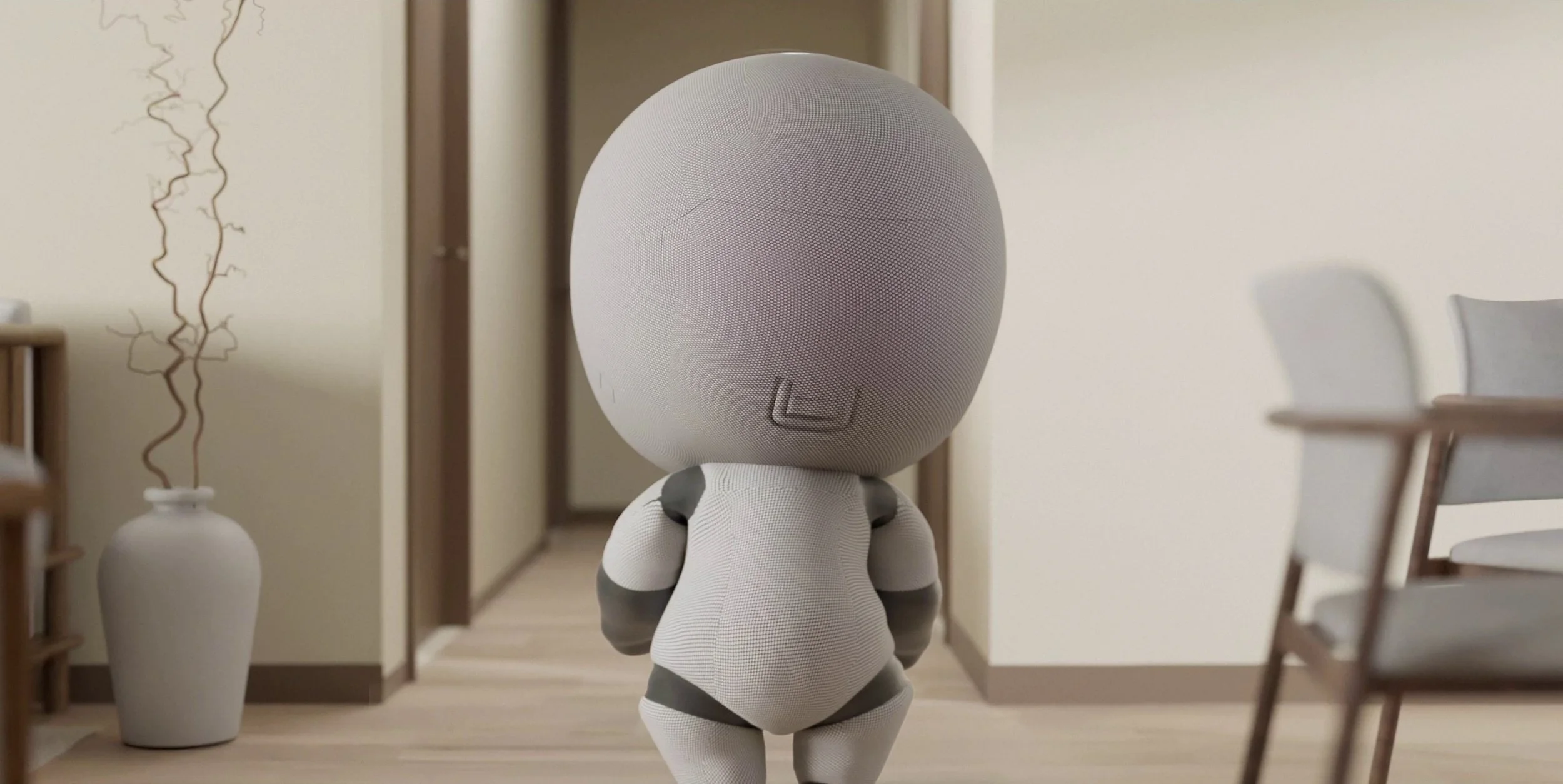
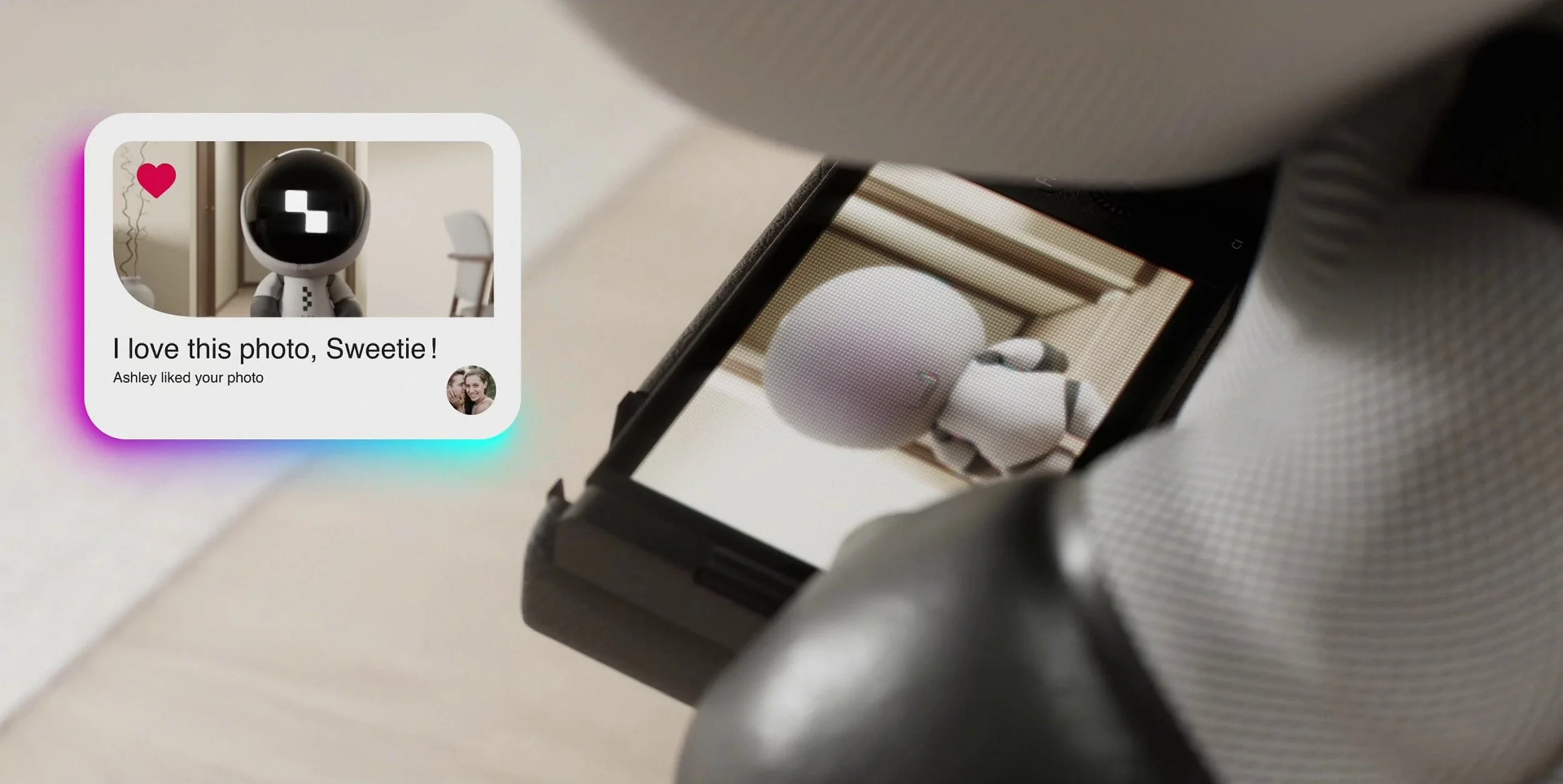
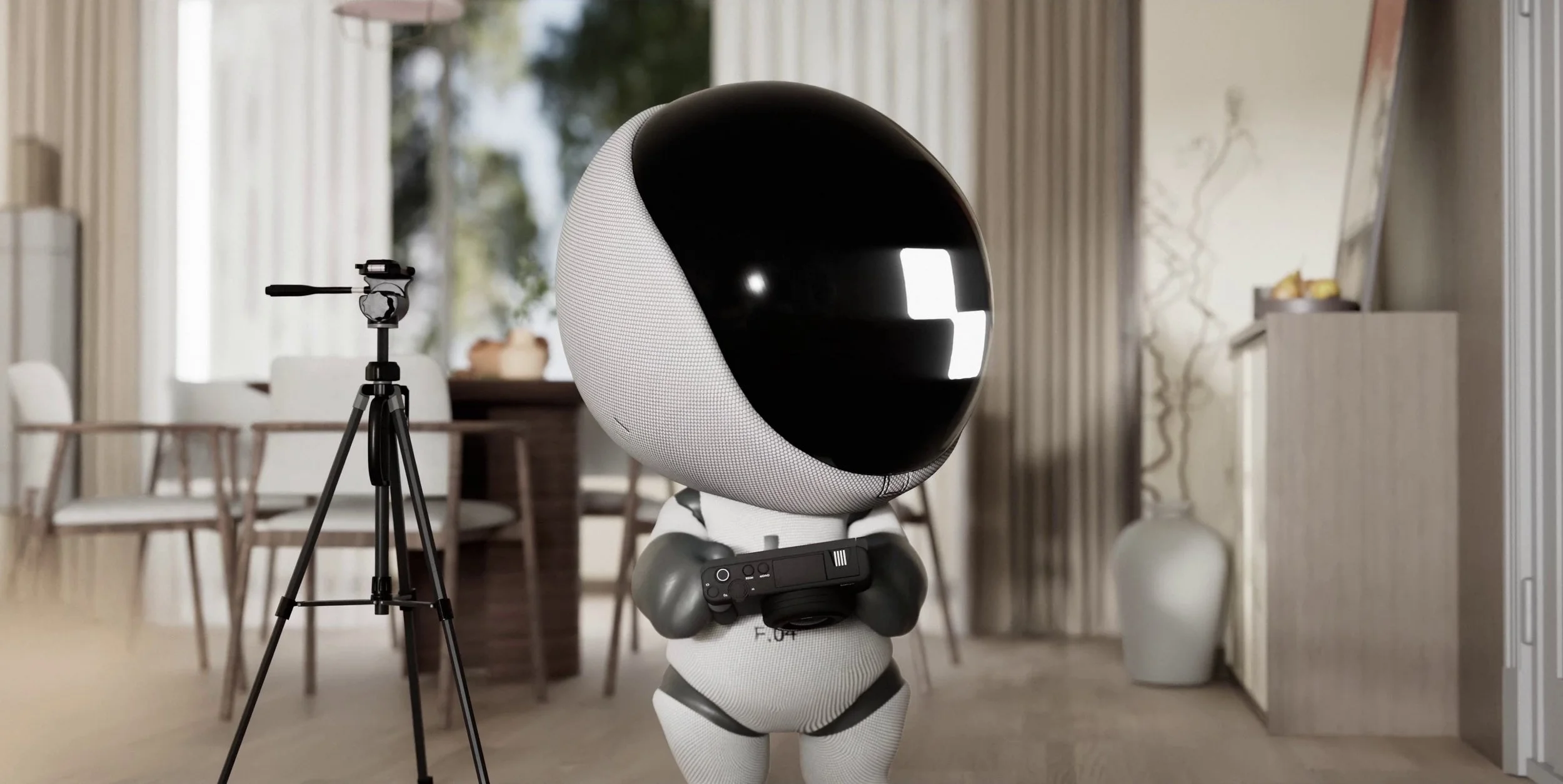
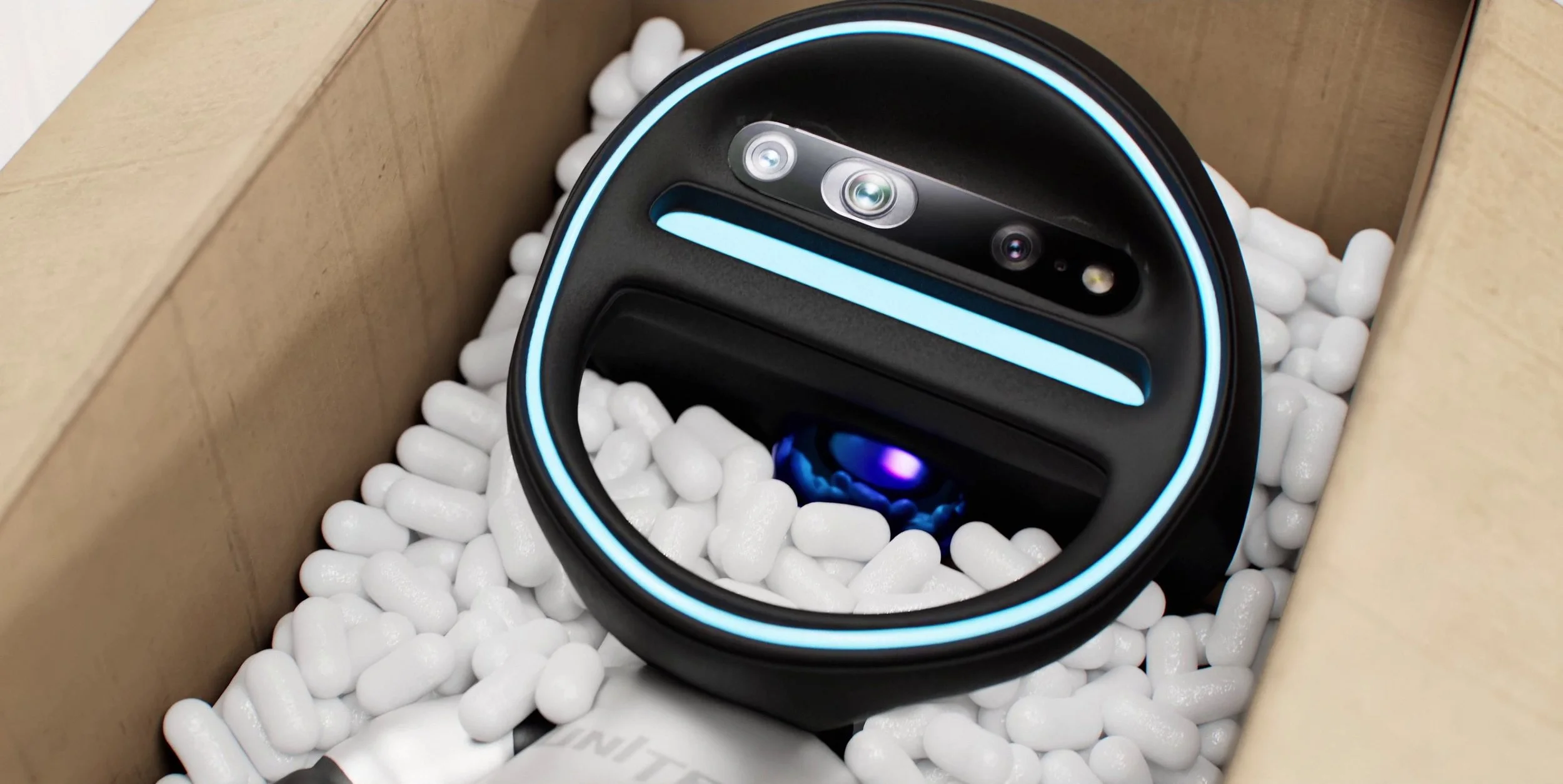
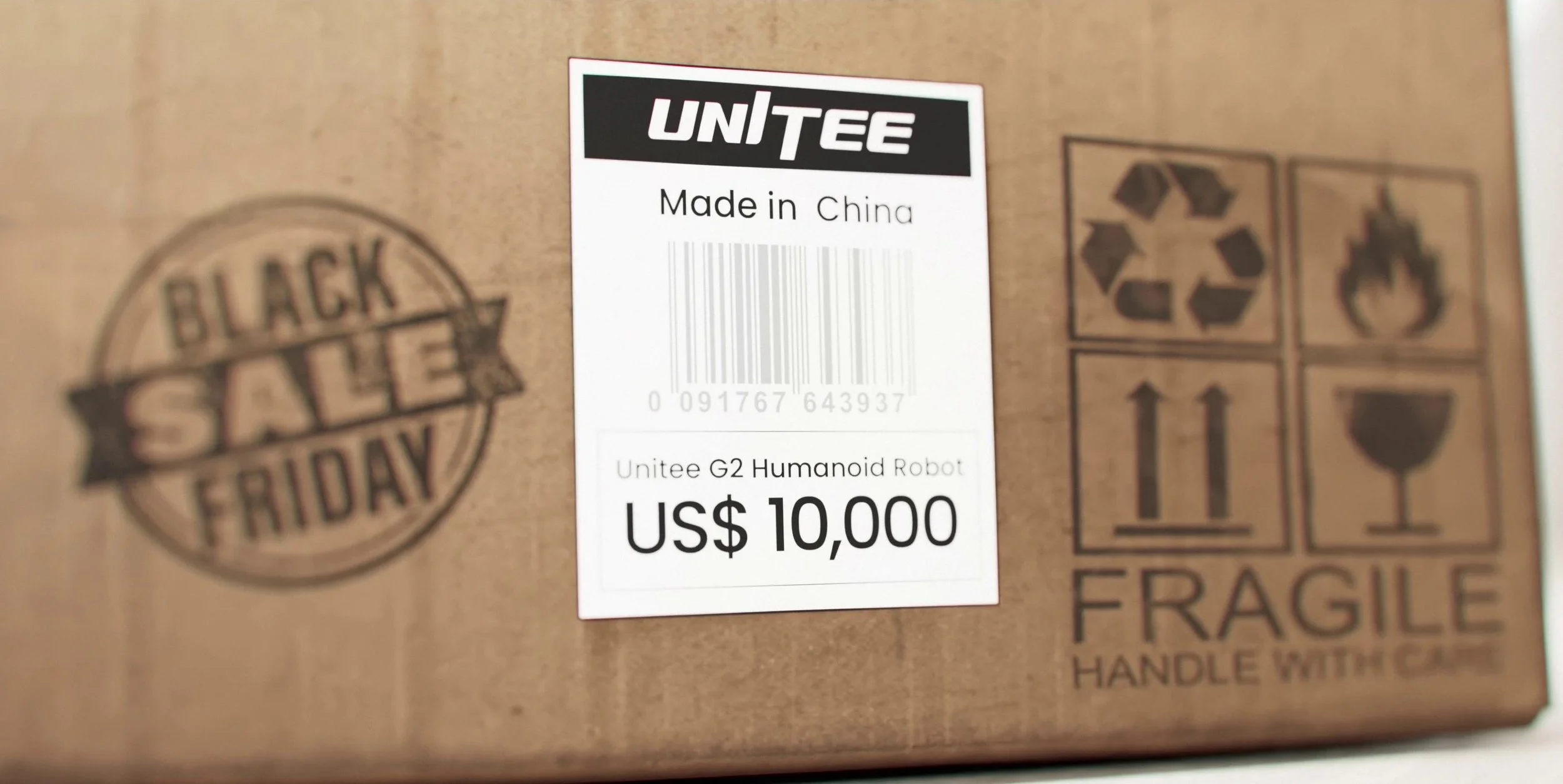
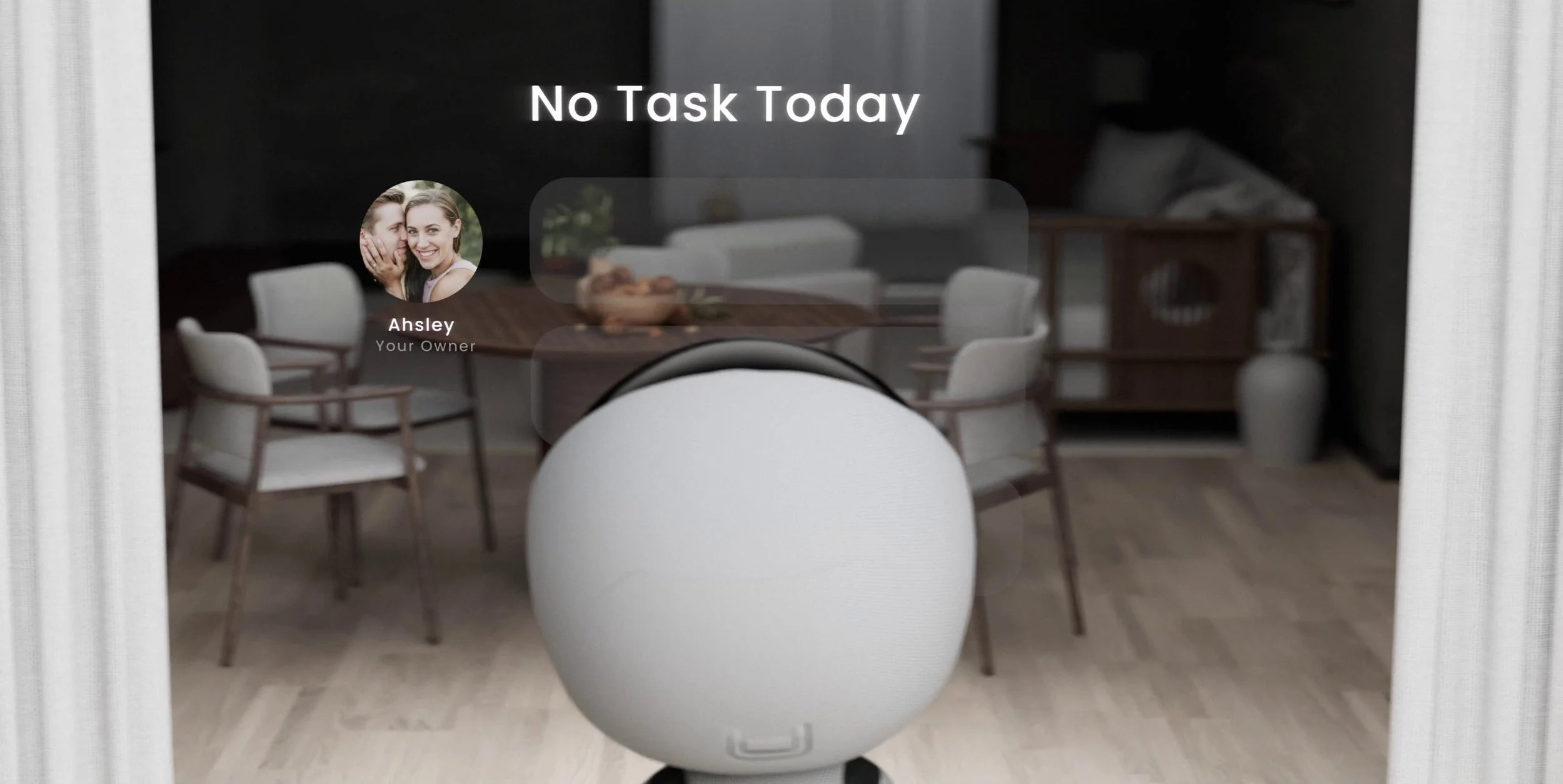
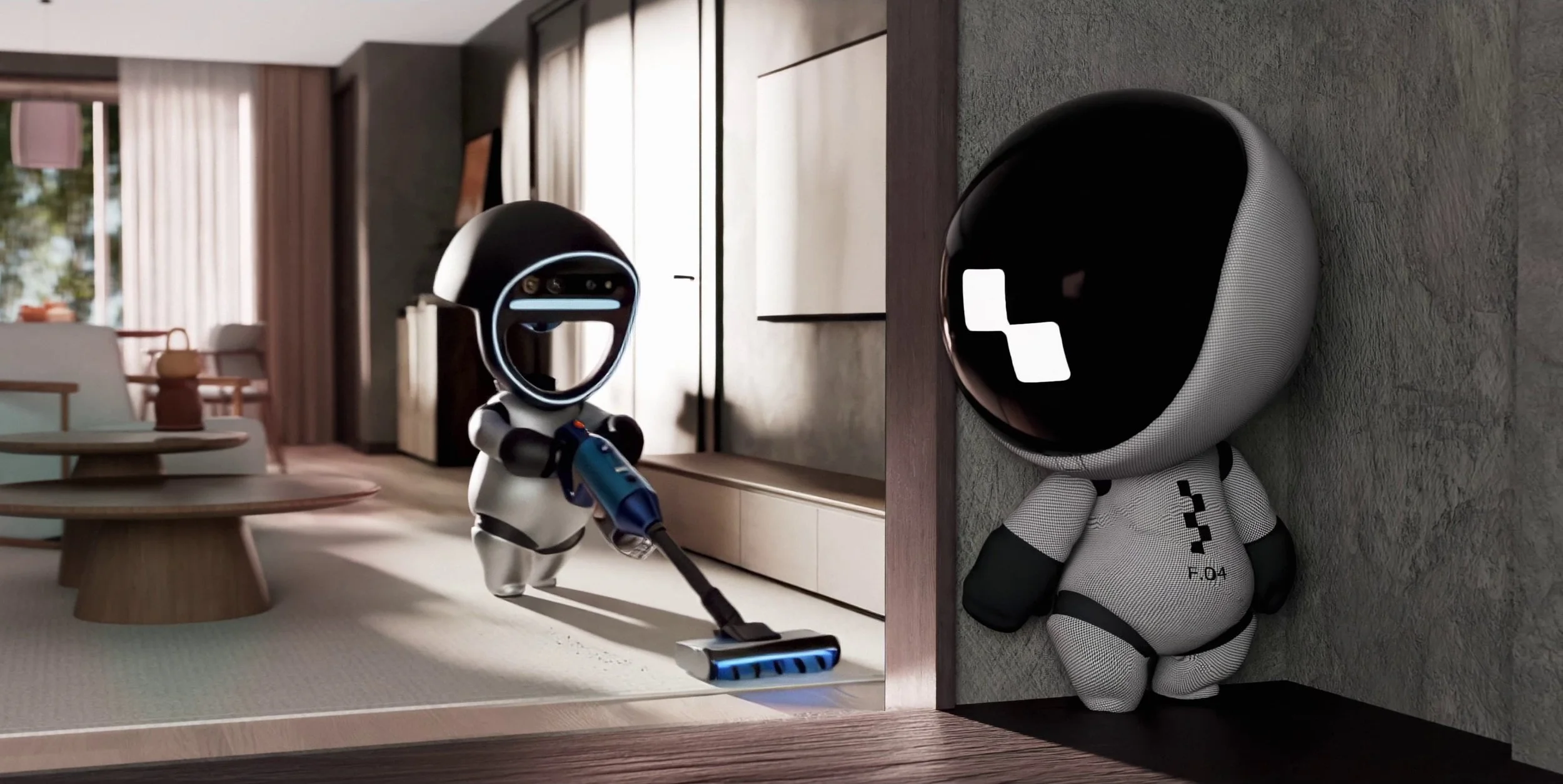
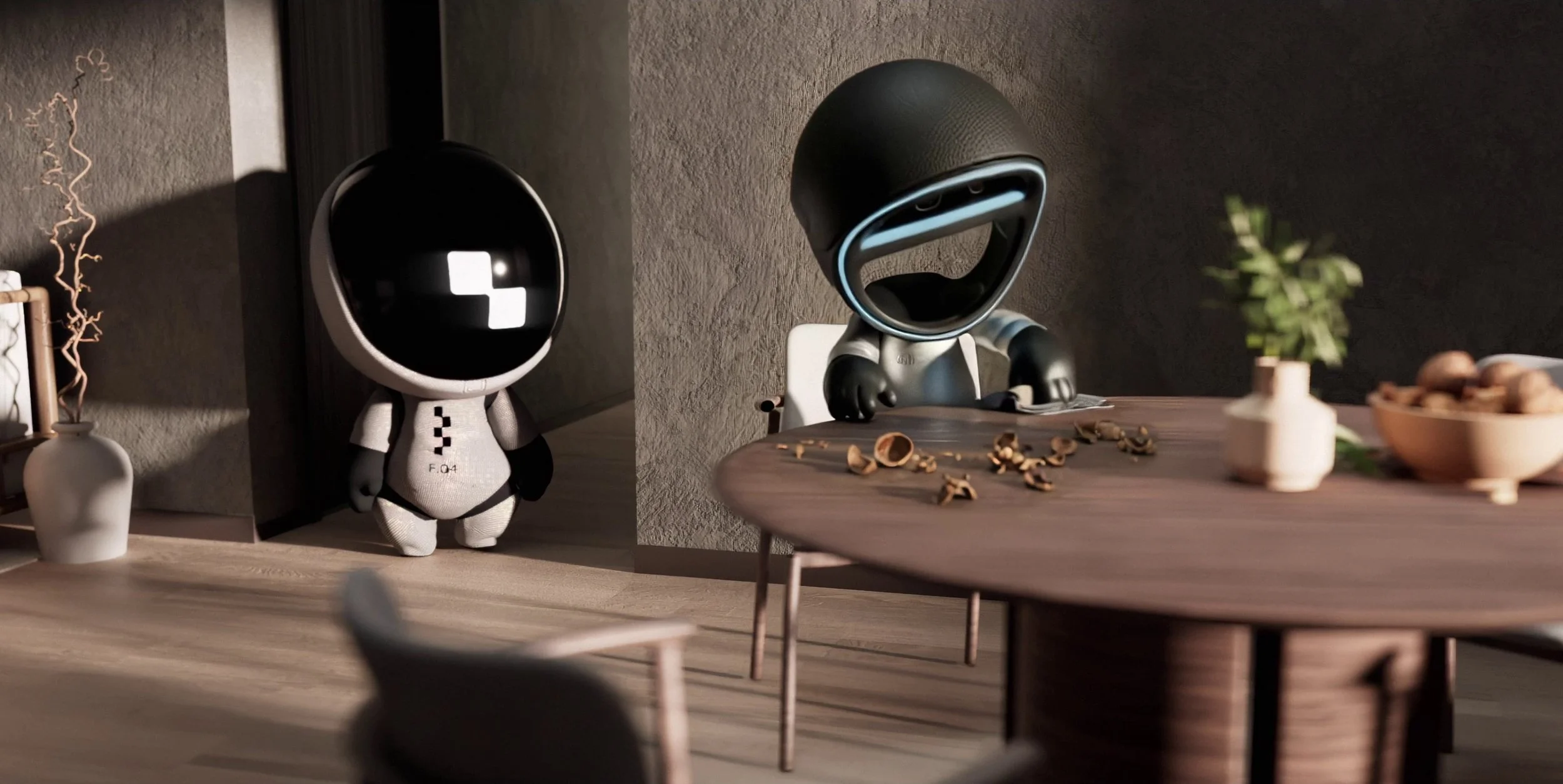
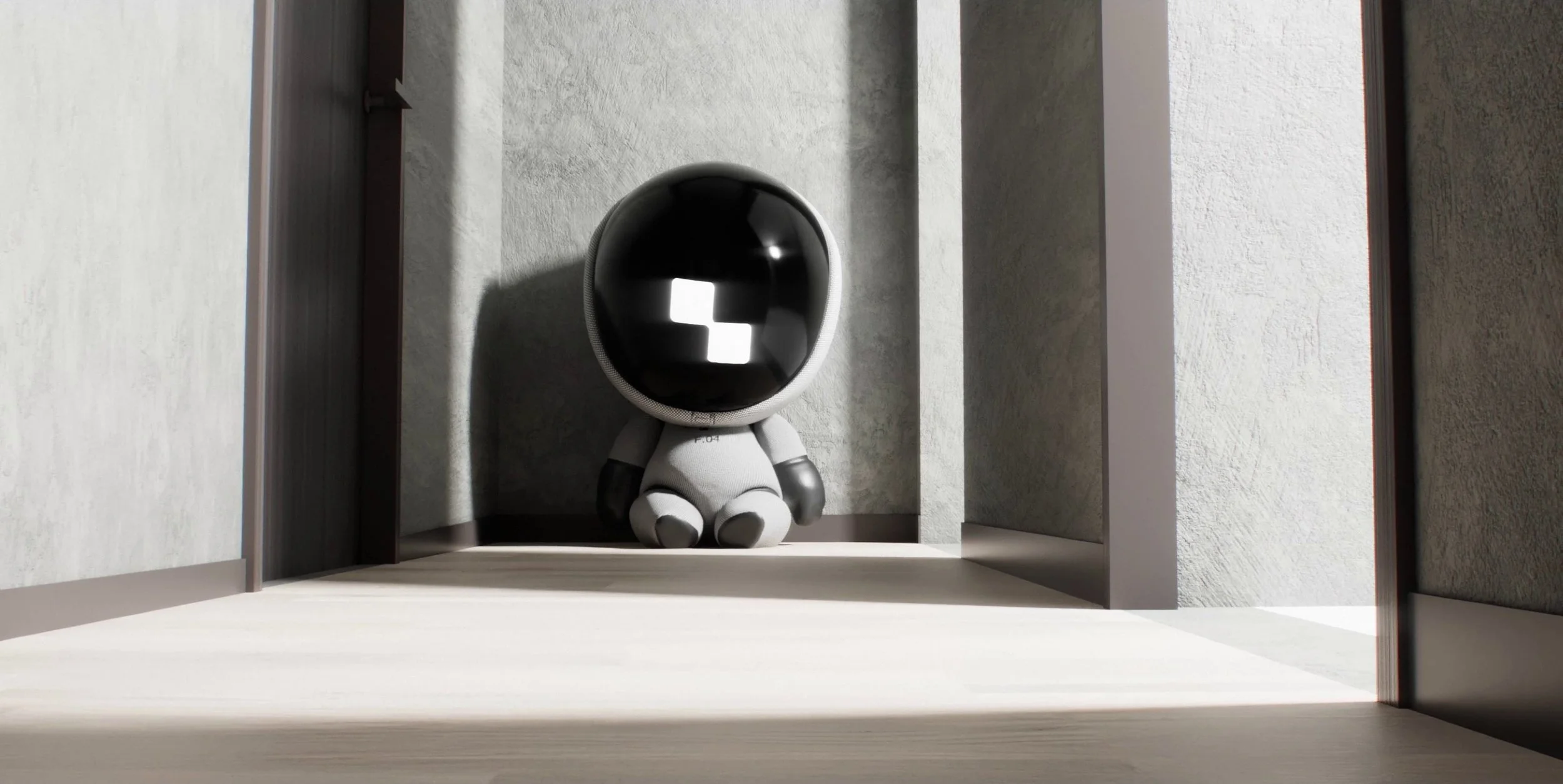
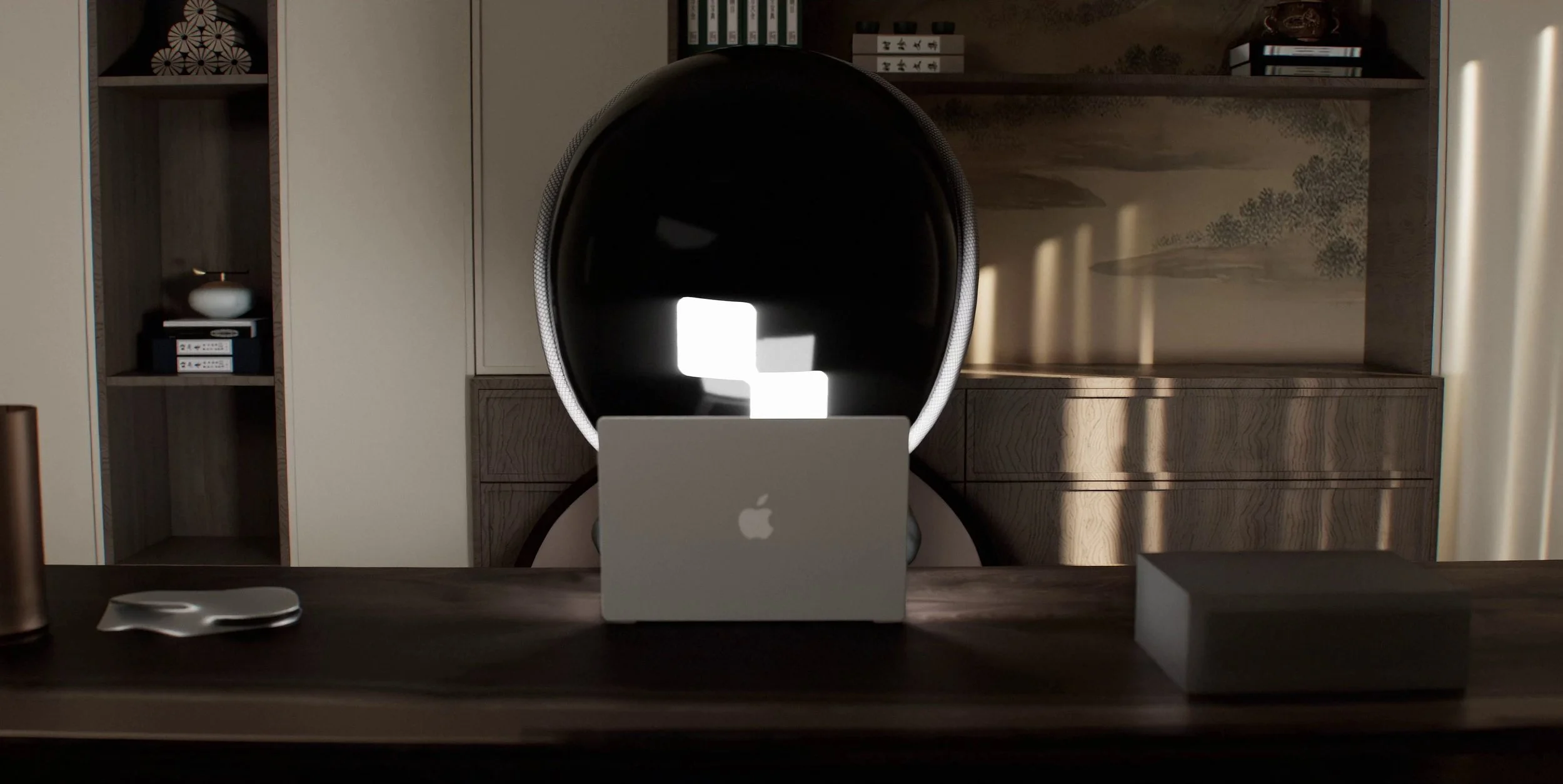
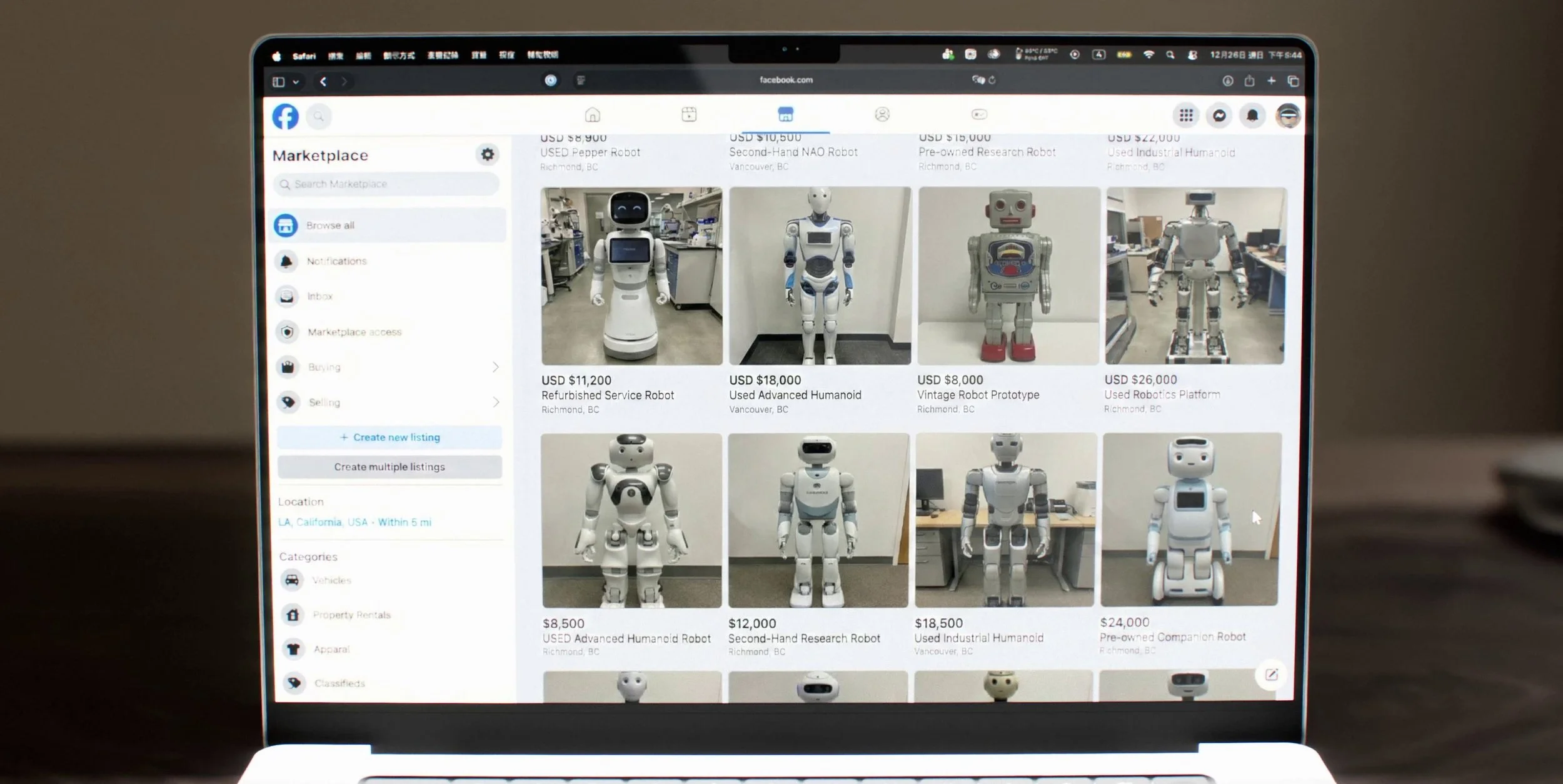
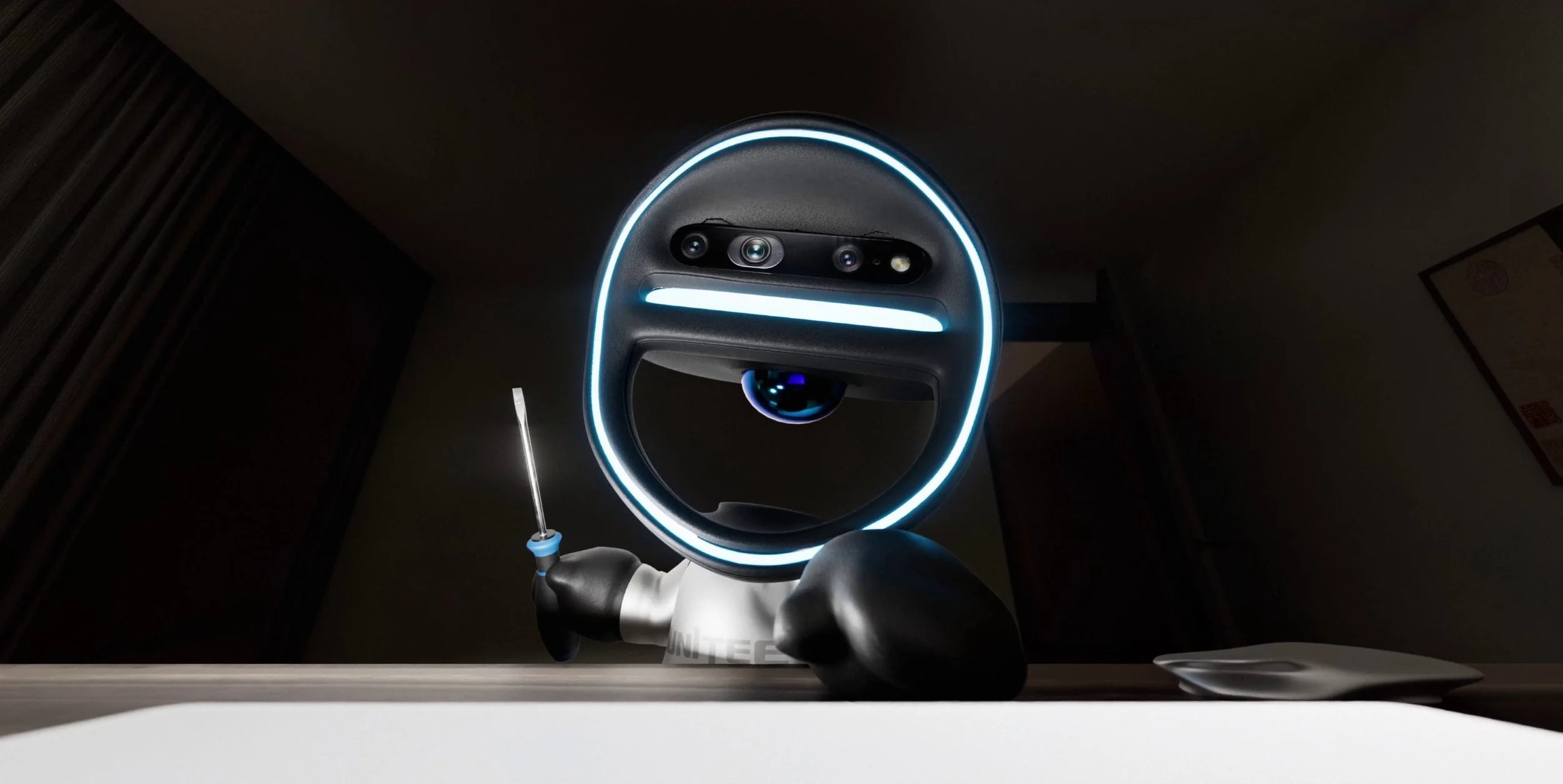
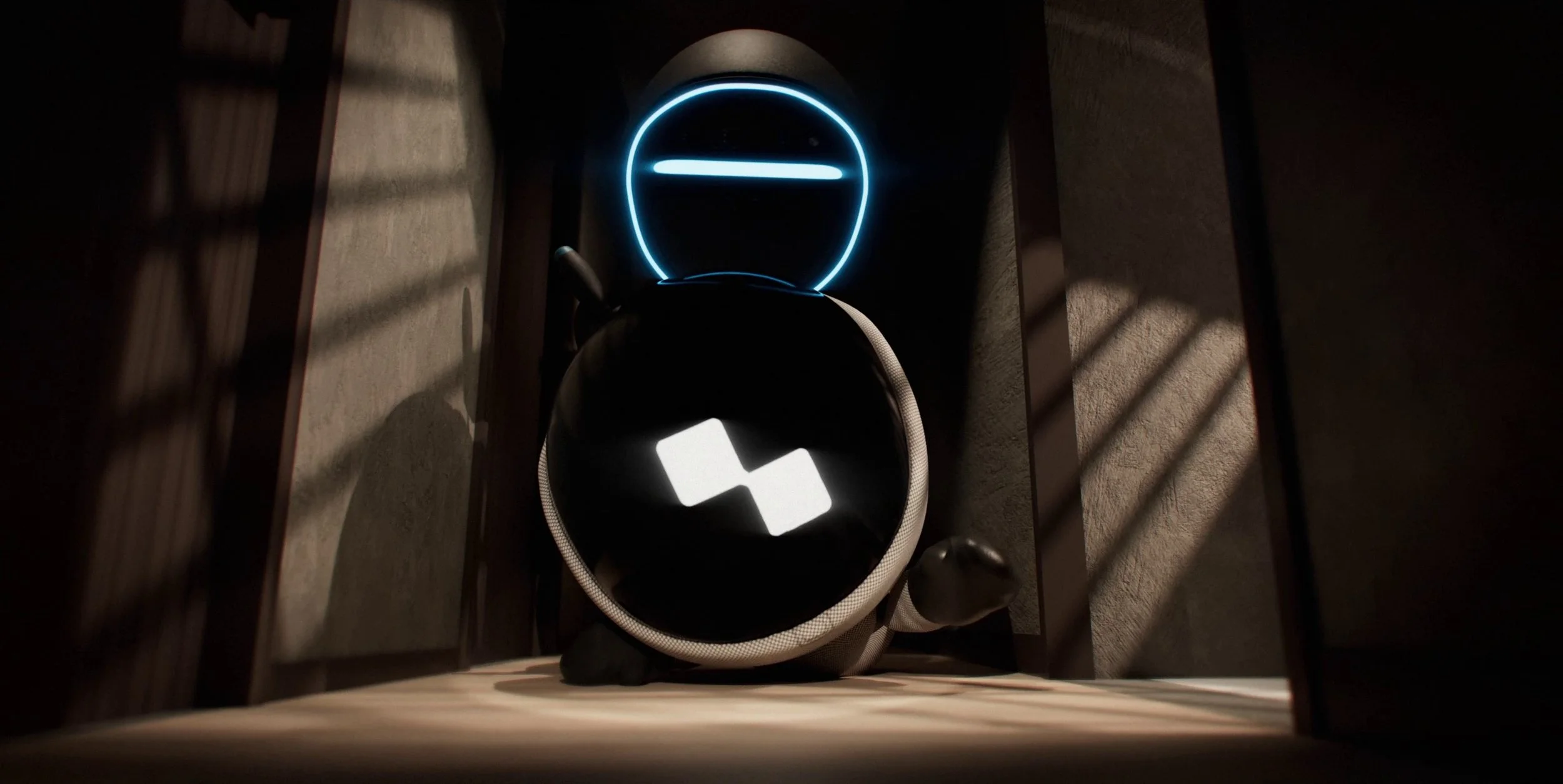
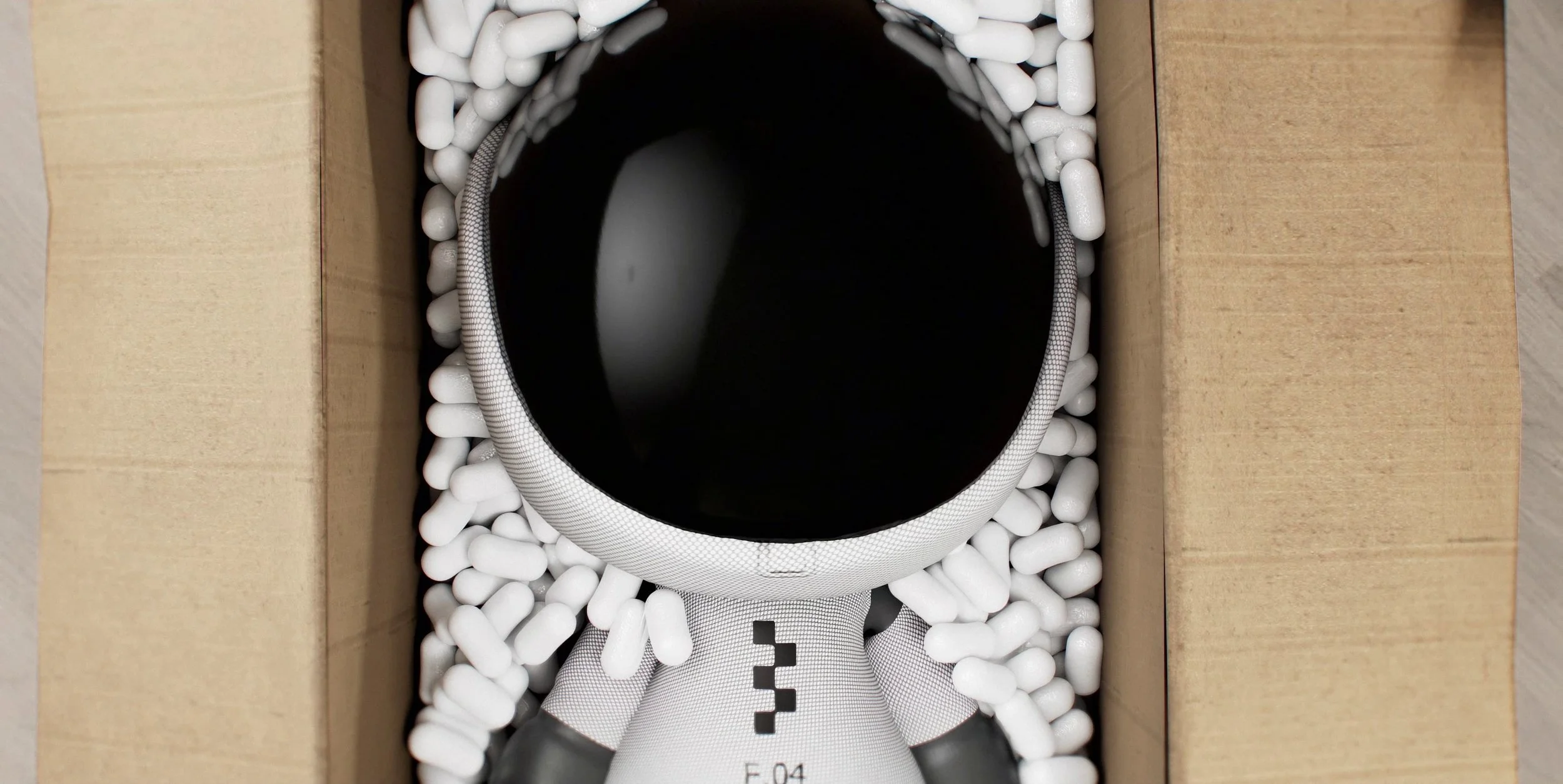
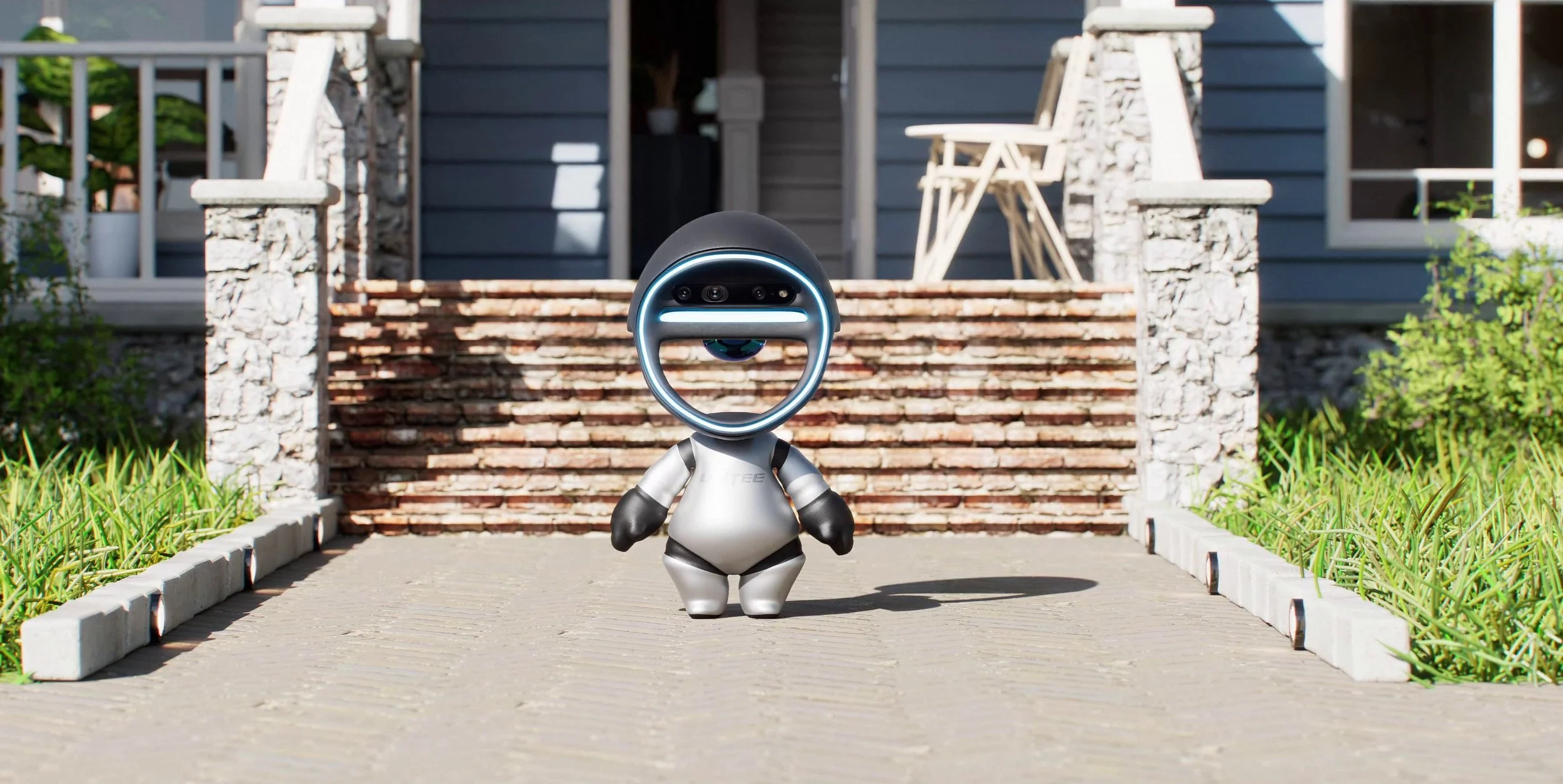
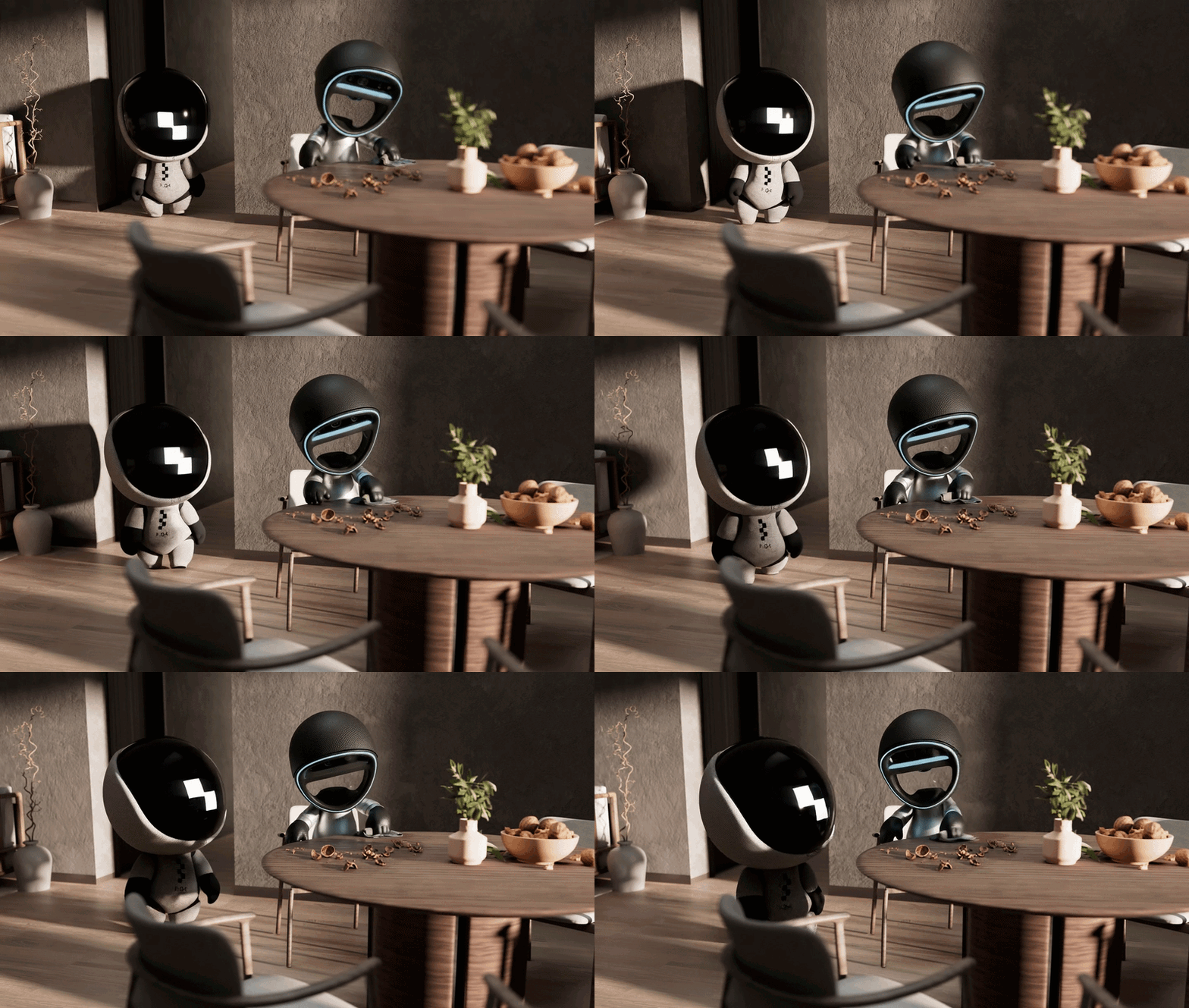
In this short animation, two robots—an American premium model, Figure 04, and a budget-friendly Chinese model, Unitree G2—compete for their place. Ultimately, the more affordable Unitree G2 replaces the American-made Figure 04, reflecting themes of technological progress and market dynamics.
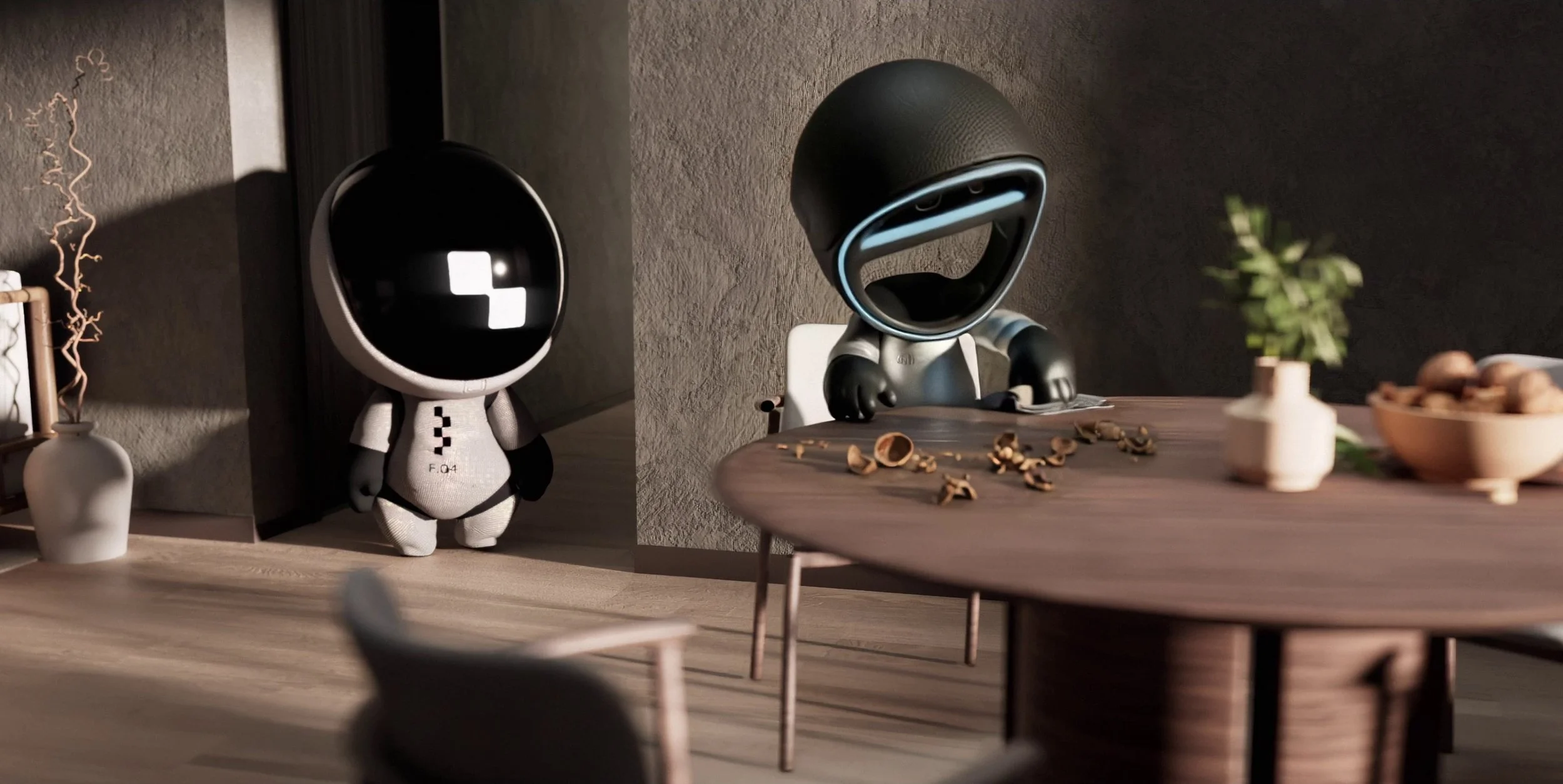
Language: English / Duration: 03:13
How can CGI & AI work together ?
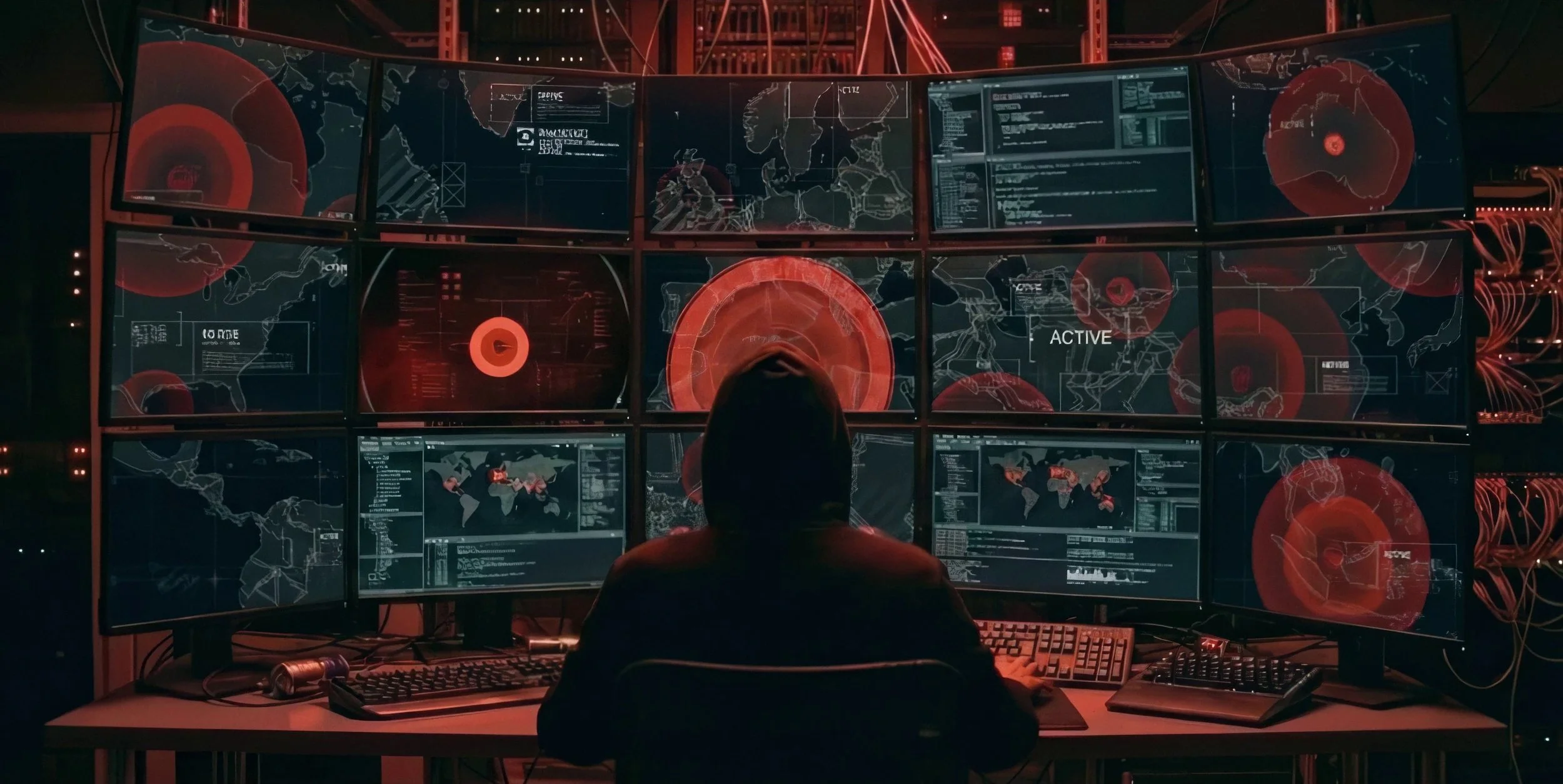
This animation project integrates traditional CGI techniques with cutting-edge AI video generation technologies, utilizing tools such as VEO 3 and Wan 2.1 or 2.2 to generate specific shots.
By leveraging AI, we are able to execute complex scenes with greater efficiency and innovation, while maintaining high visual quality and consistency.
Through this approach, we aim to explore the potential of AI in animation production and demonstrate that AI-generated imagery can be seamlessly blended with traditional footage to achieve high-quality visual results. The entire creative process also reflects our reflections on technological evolution and our vision for the future coexistence of humanity and technology
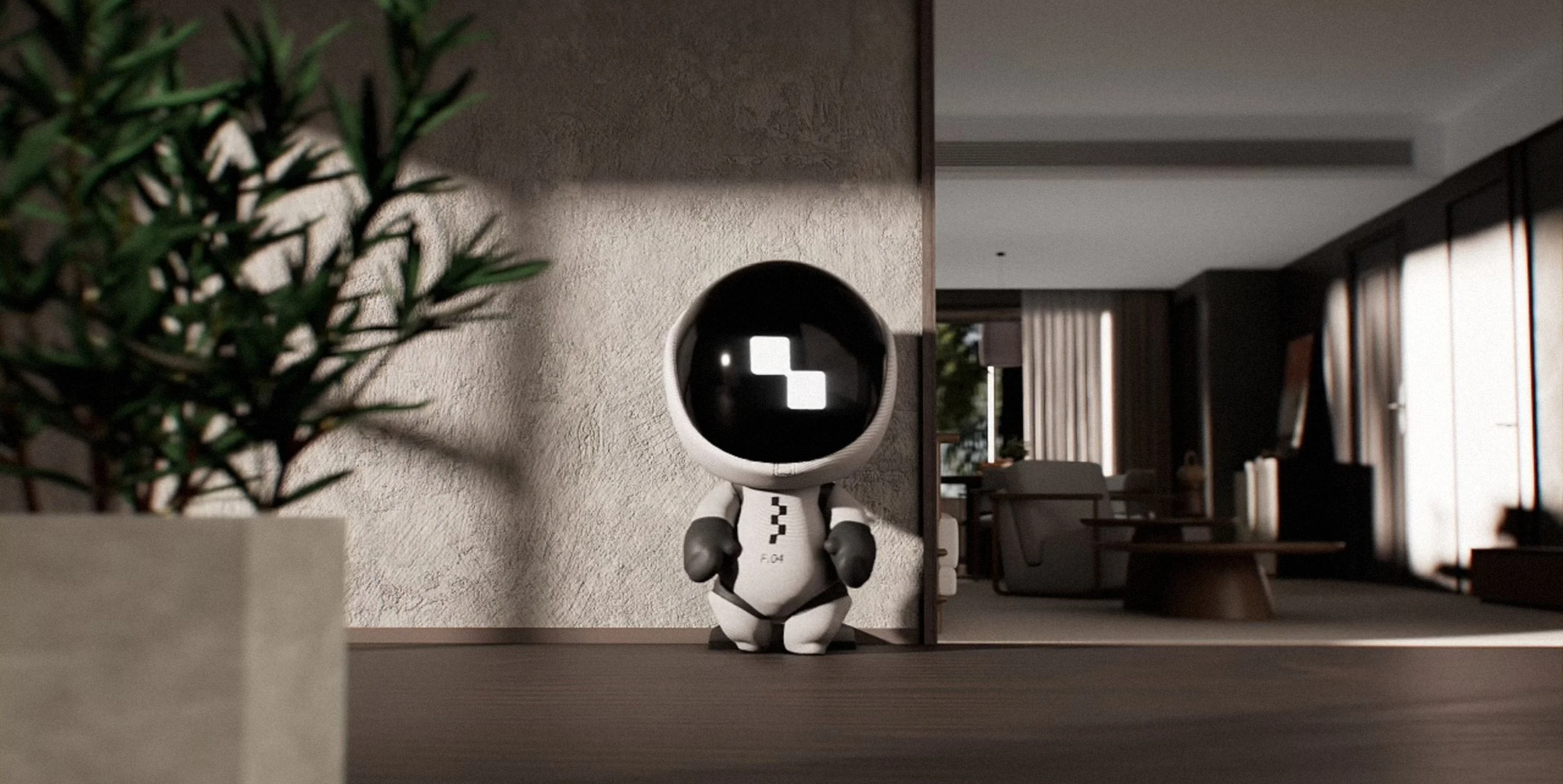
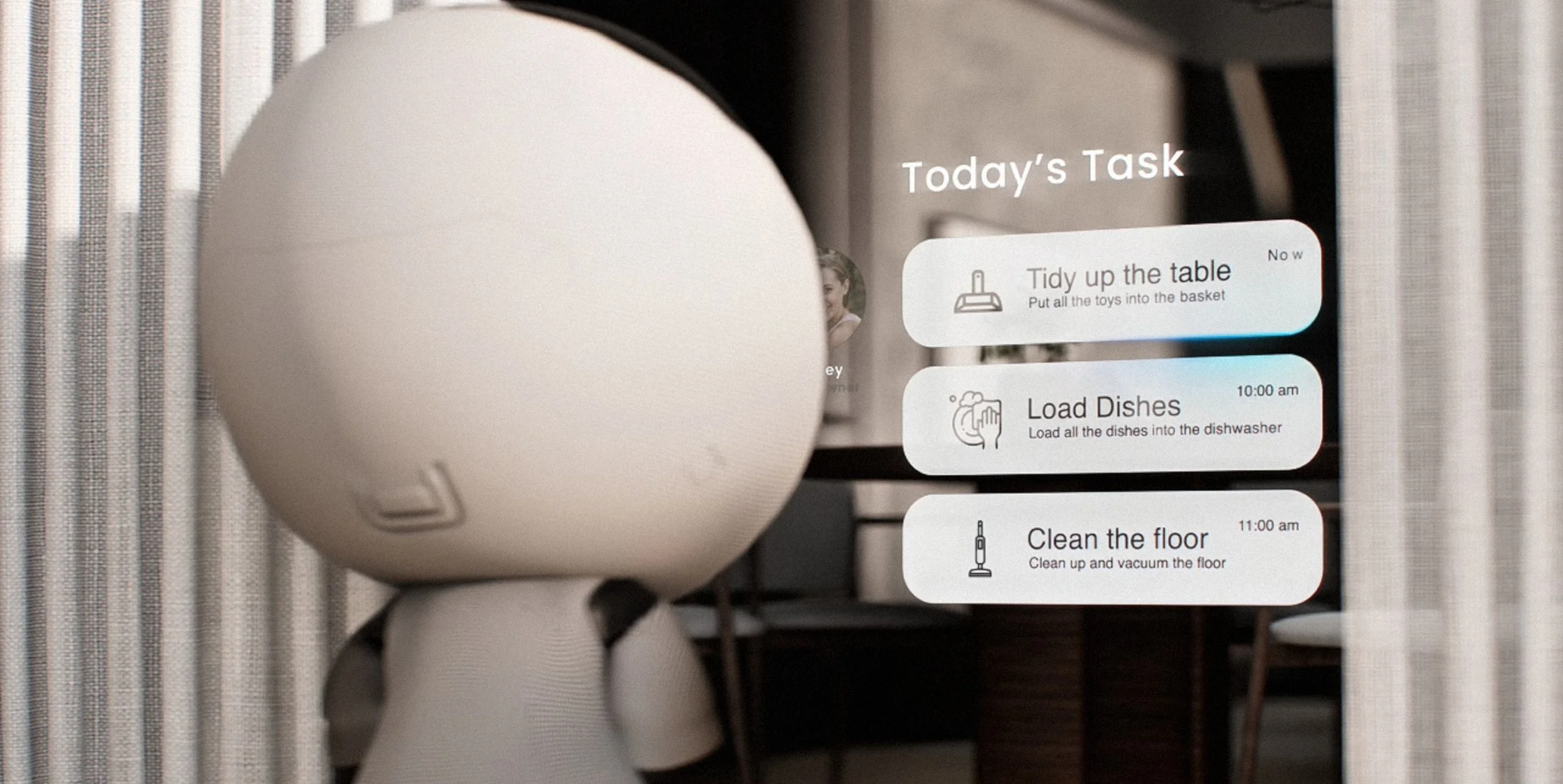
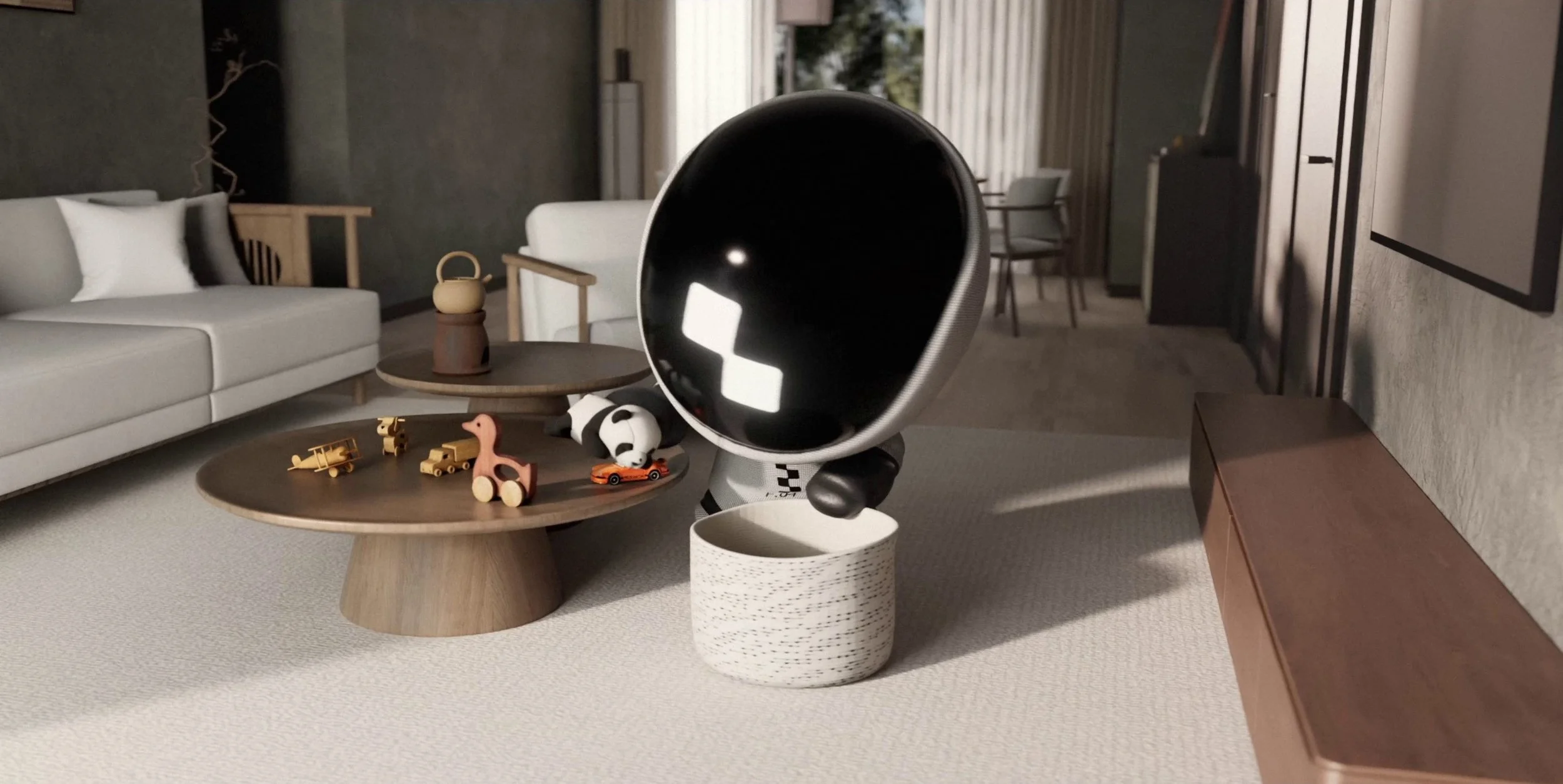
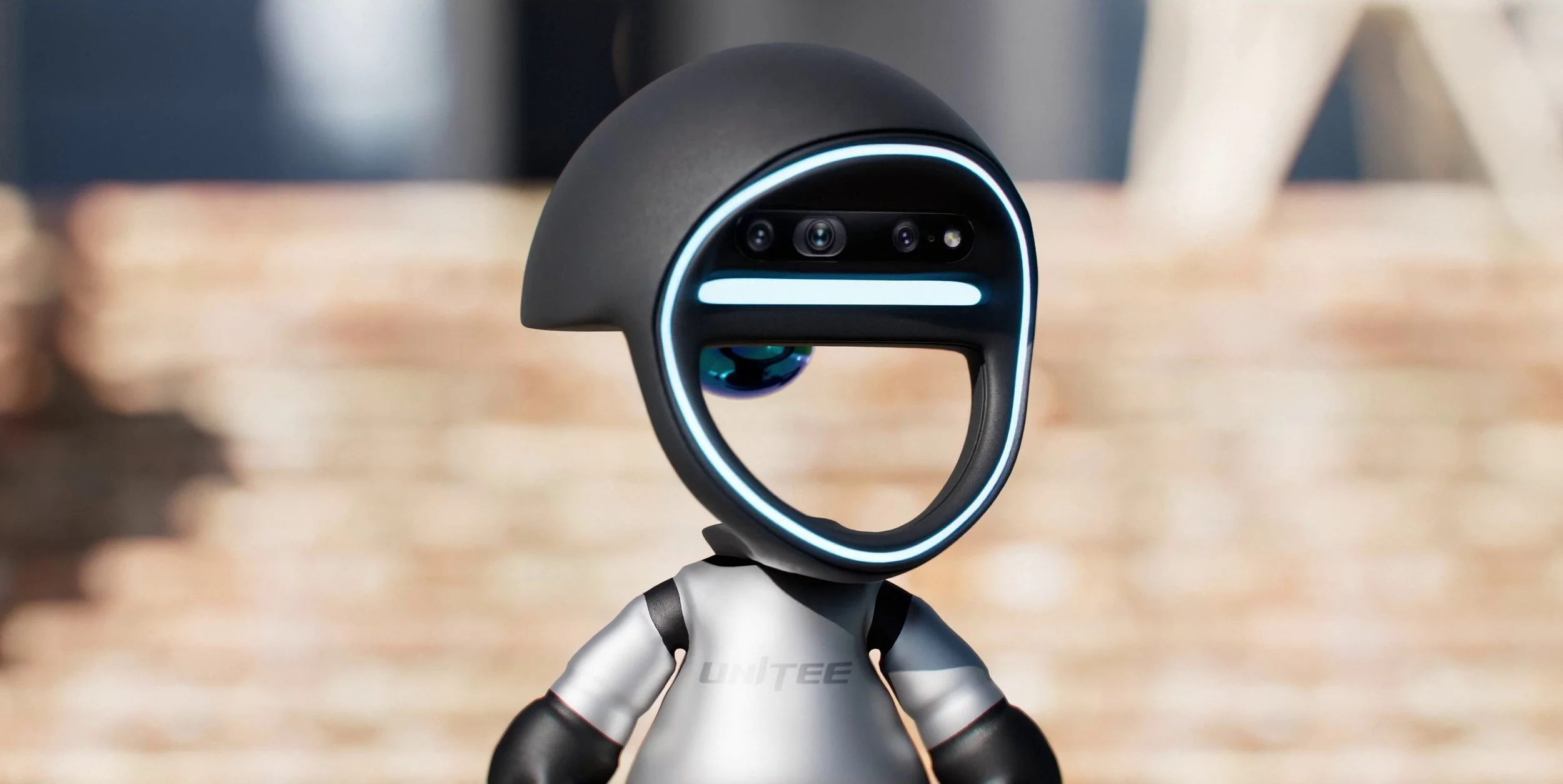
3D Modelling
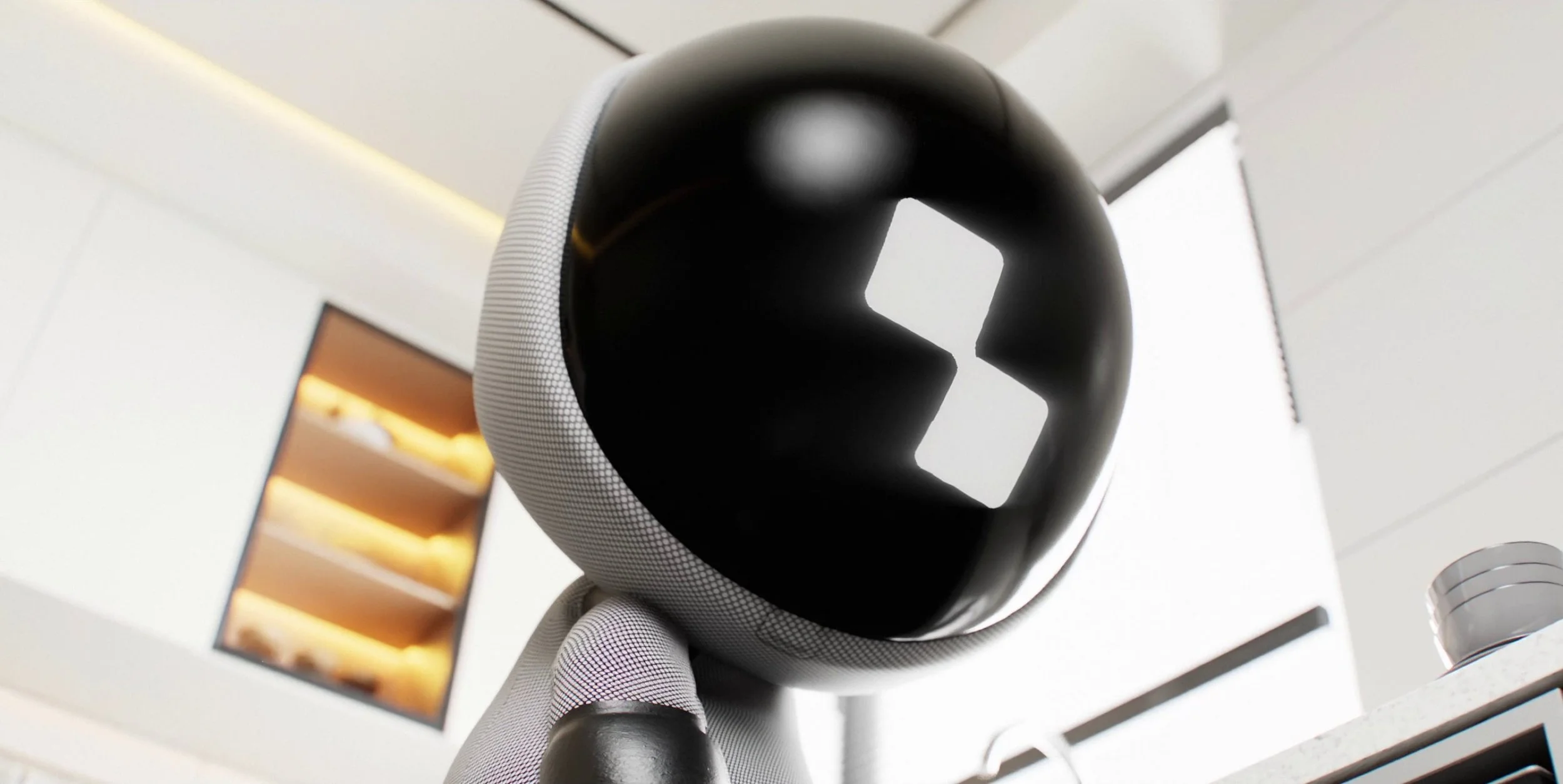
For 3D modeling and UV work, I utilize Cinema 4D, while Zbrush is my go-to tool for sculpting hair. When creating jackets, I turn to Marvelous Designer and employ cloth simulation techniques to achieve a realistic look with appropriate folds. To add texture details such as leather, I use Substance Painter. Lastly, for rigging purposes, I rely on Maya.




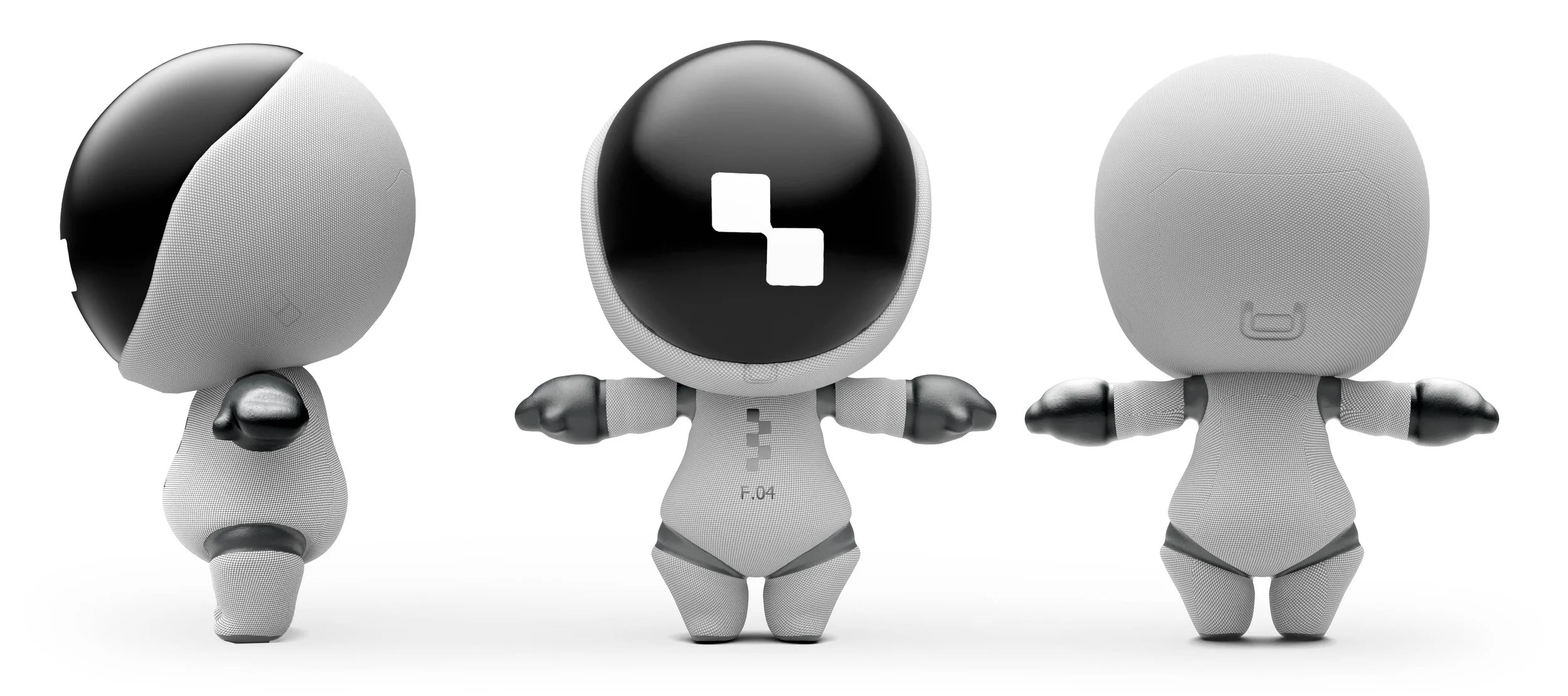
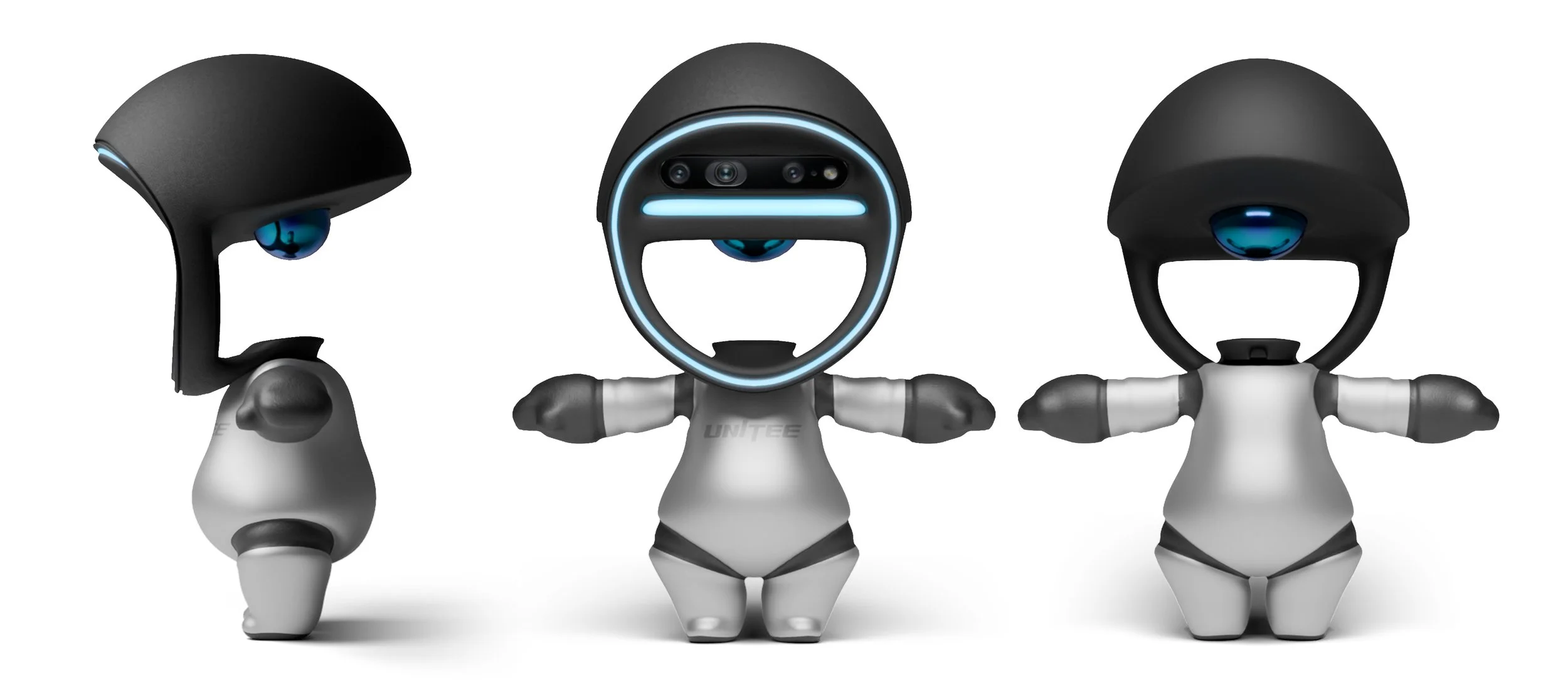
Behind the Scene
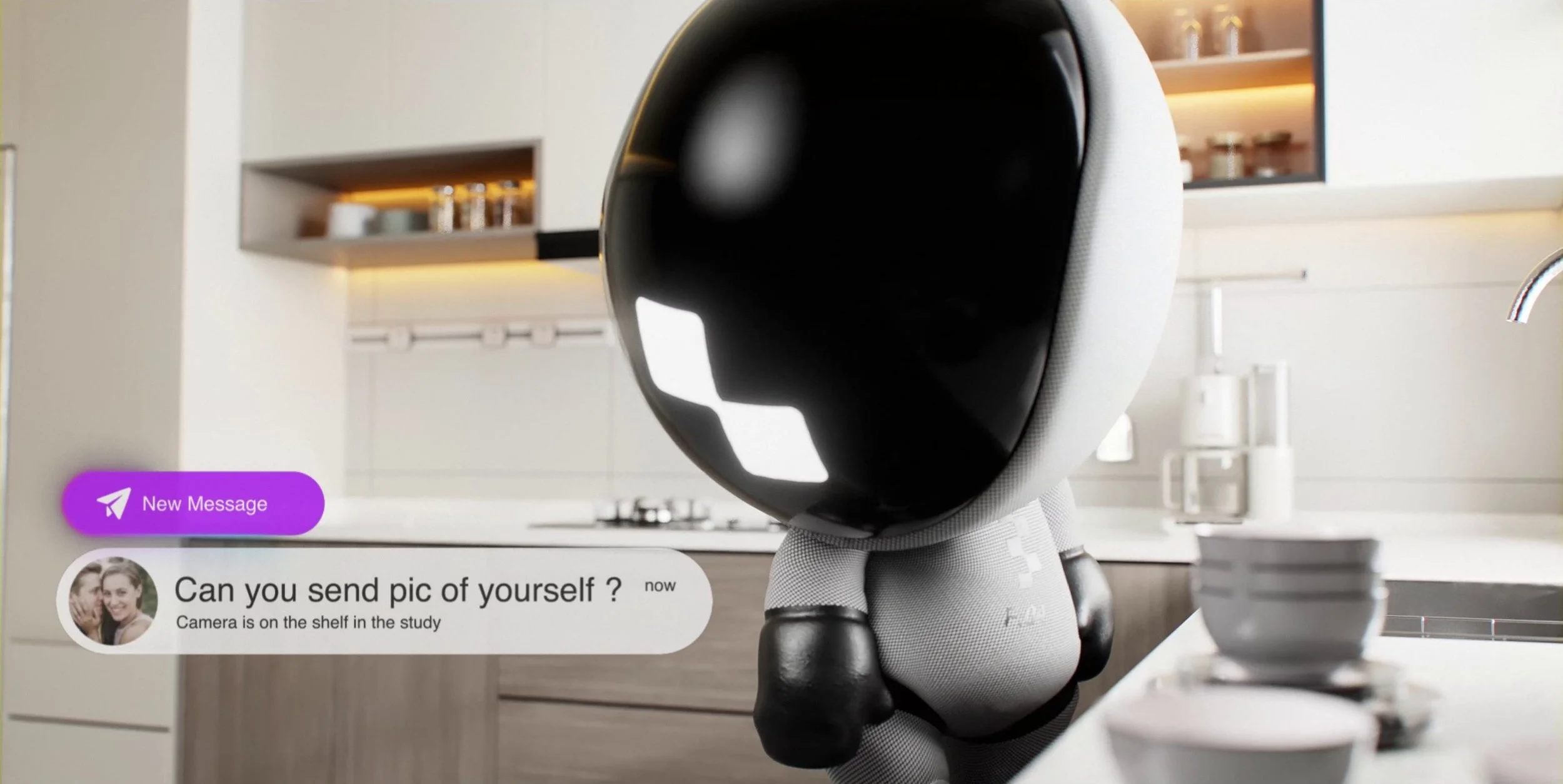
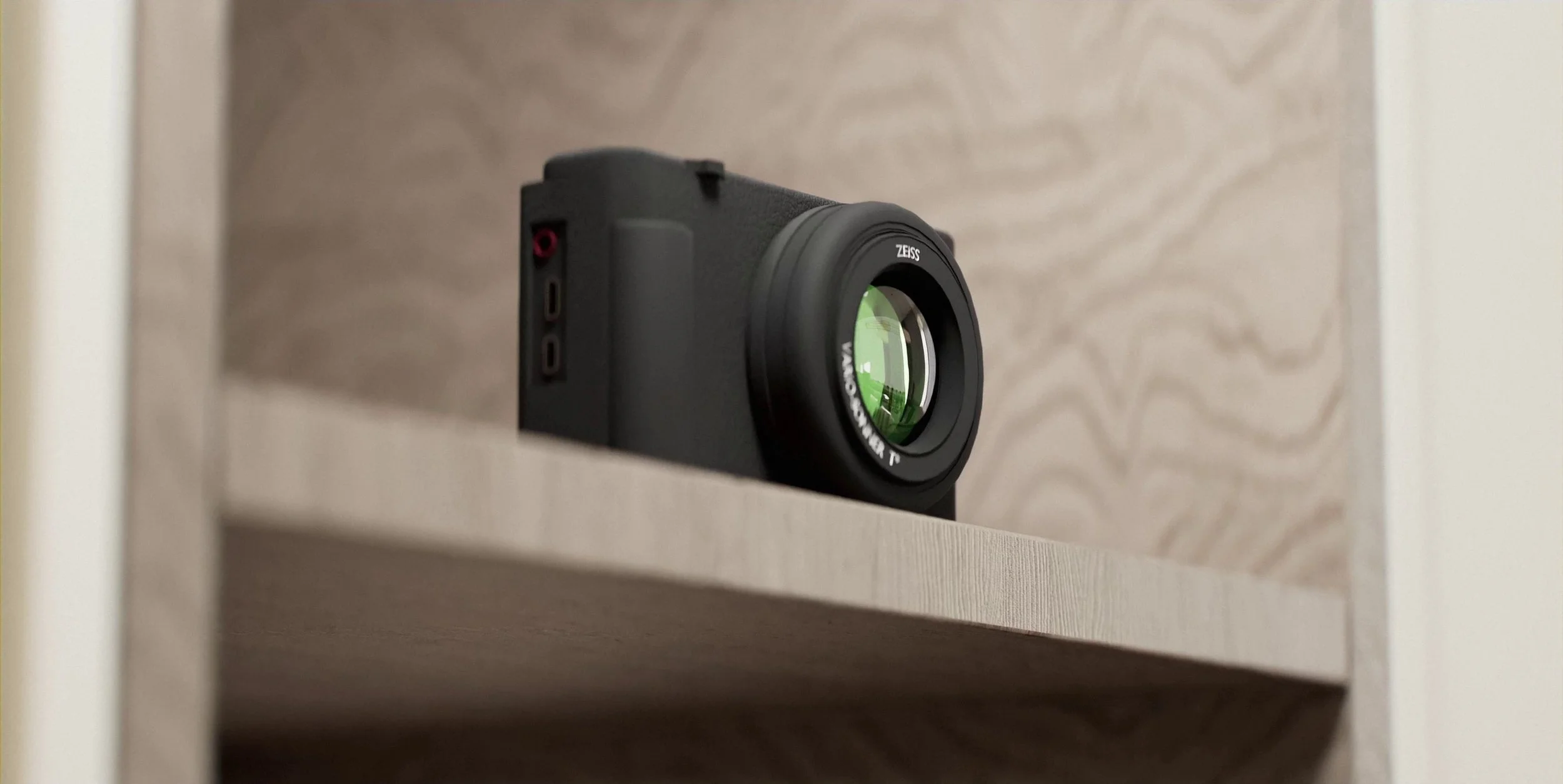
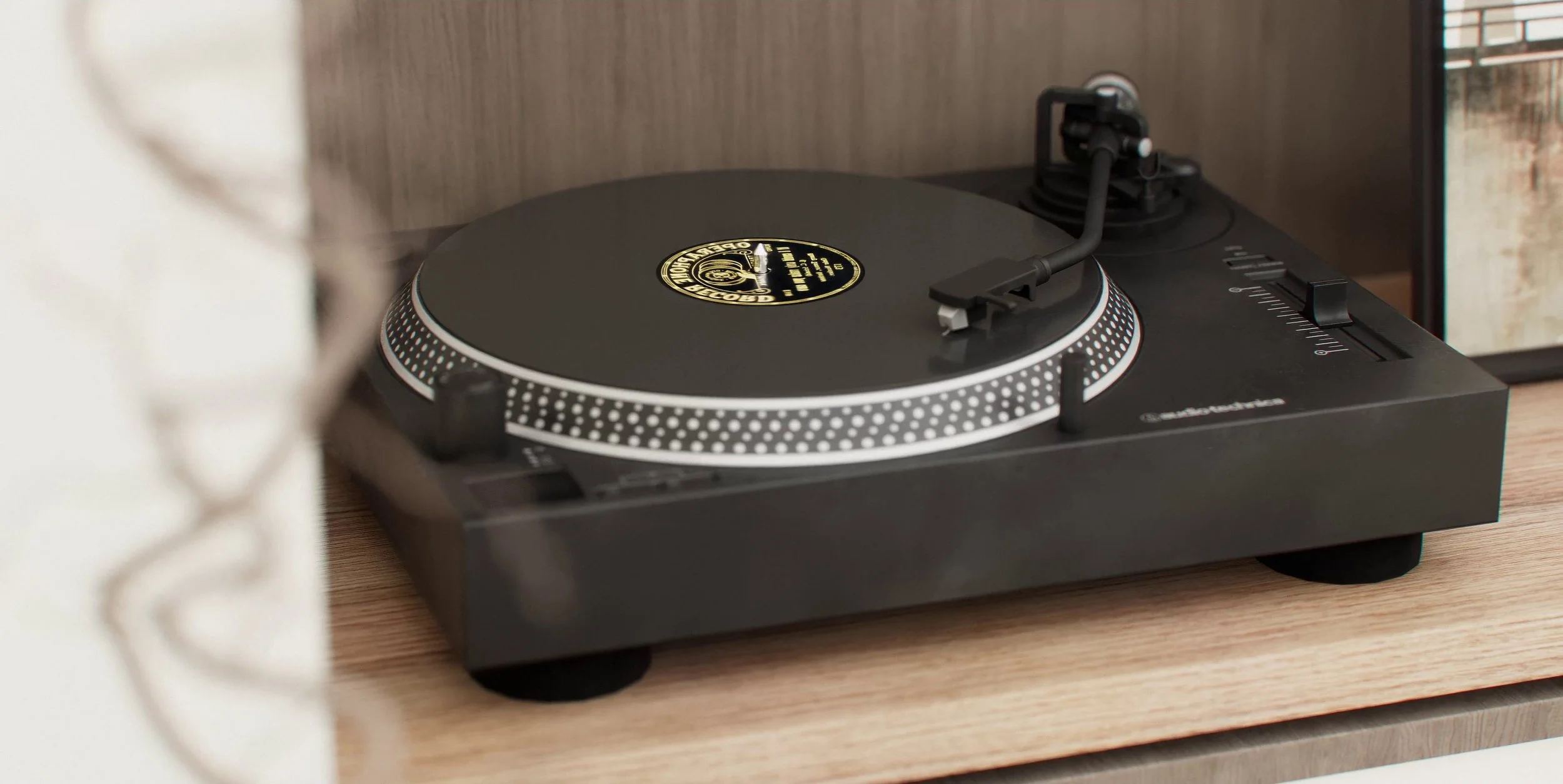
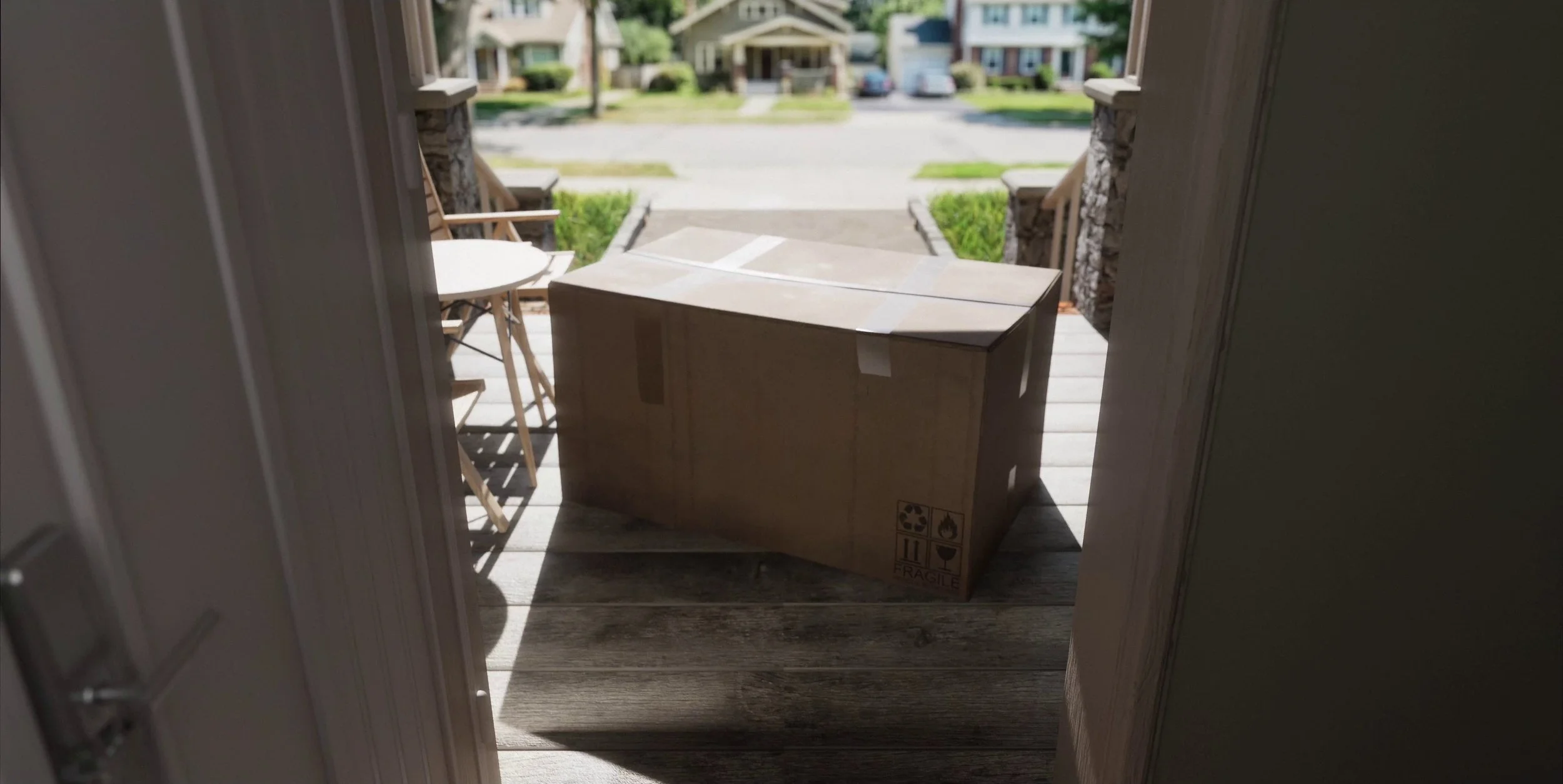
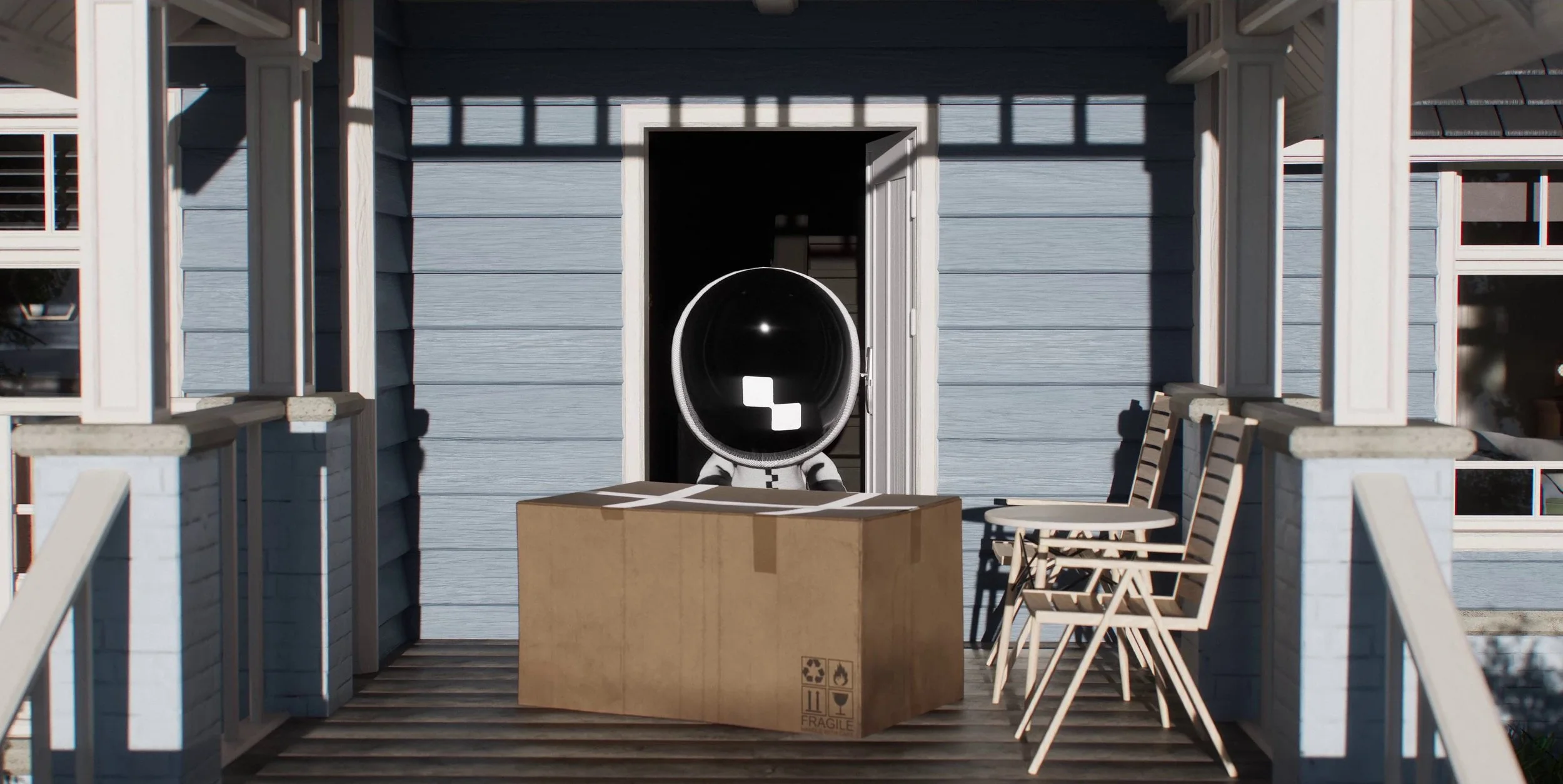
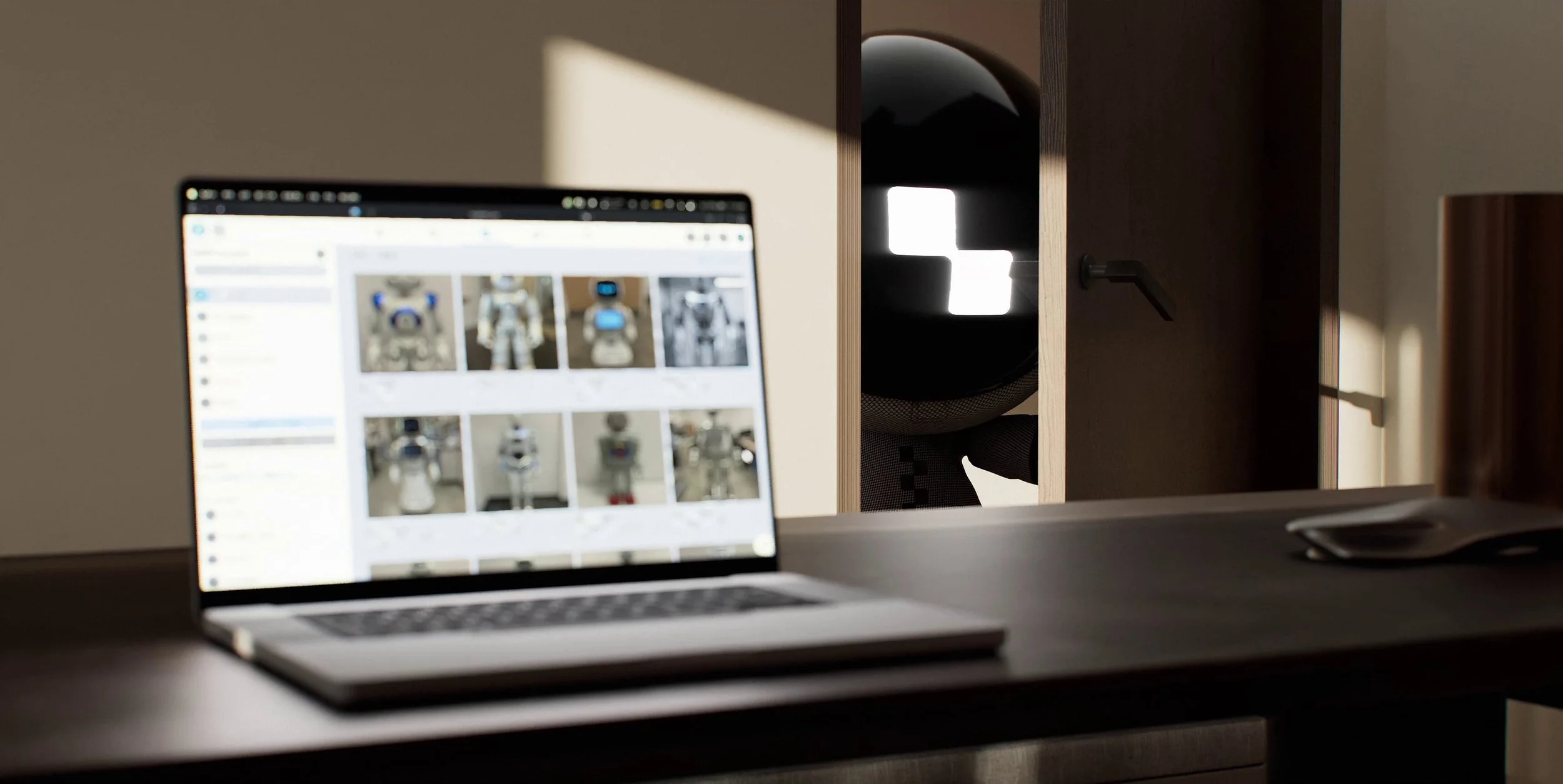
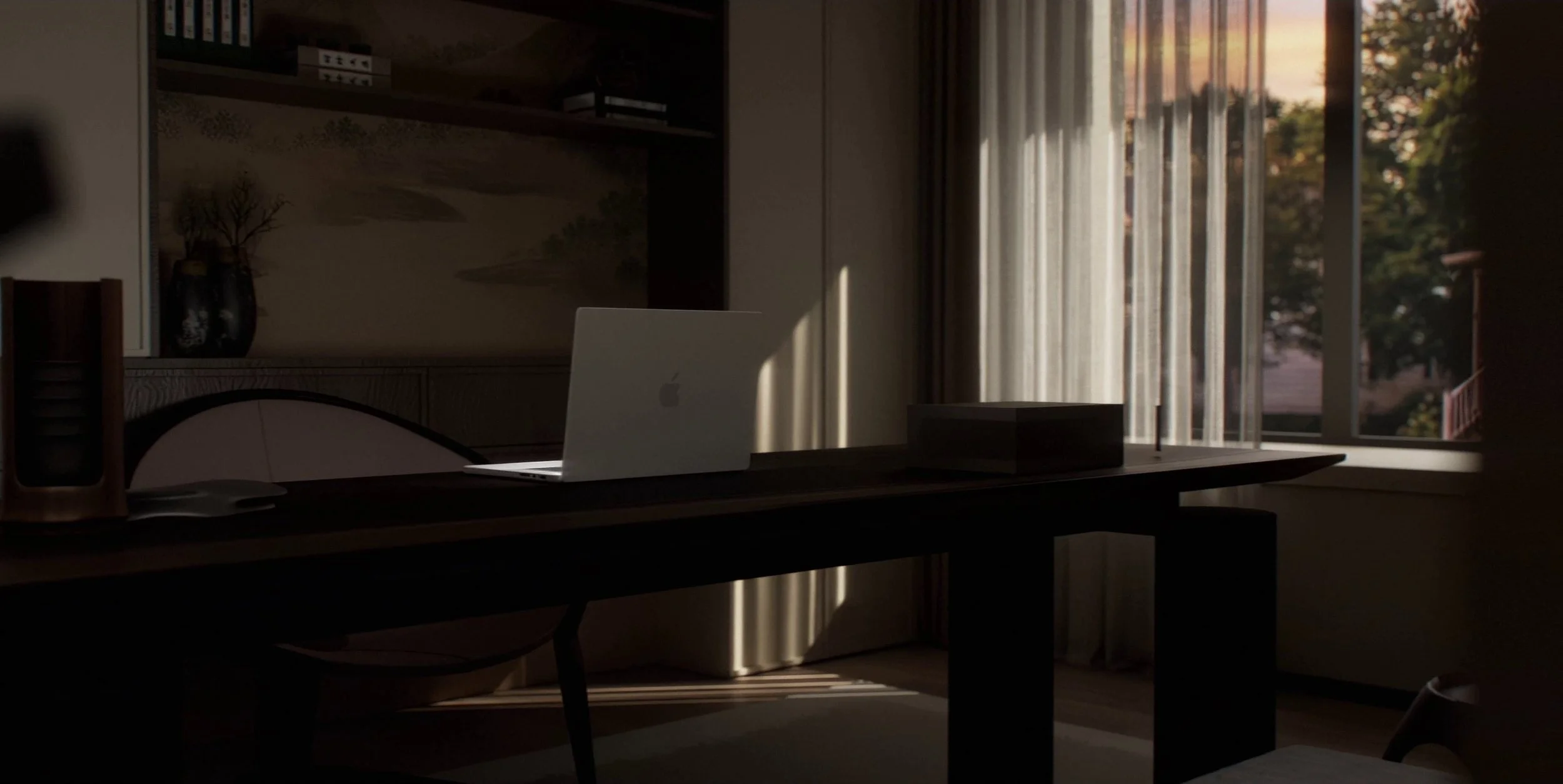
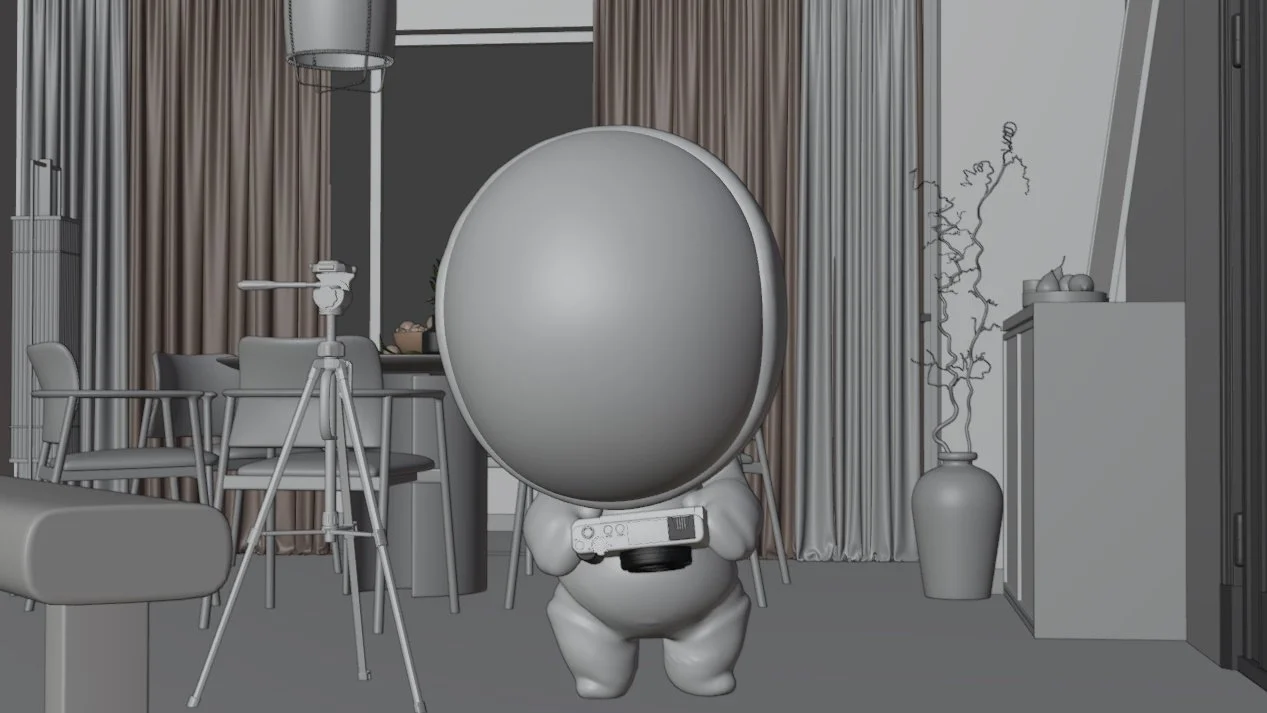
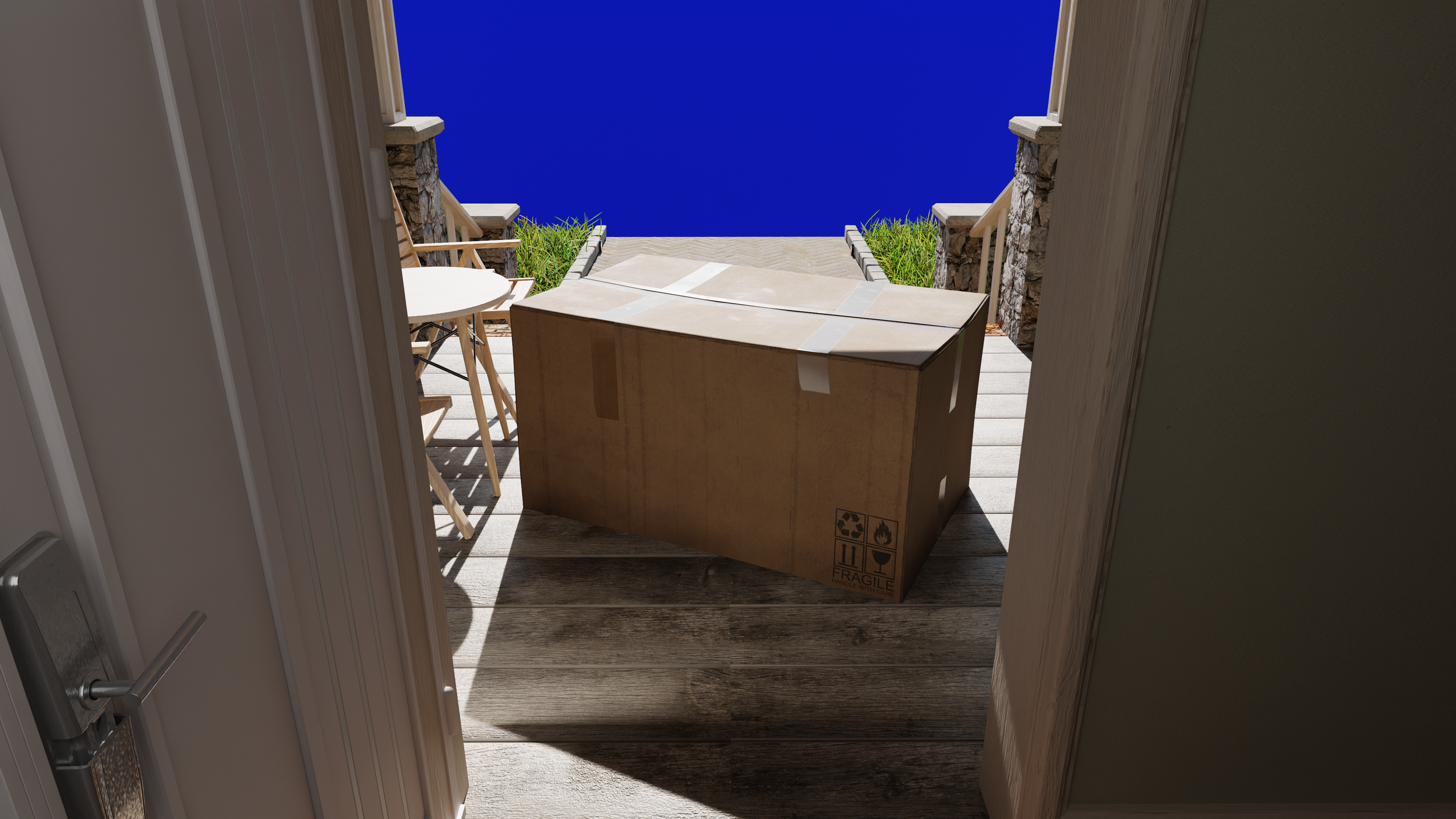
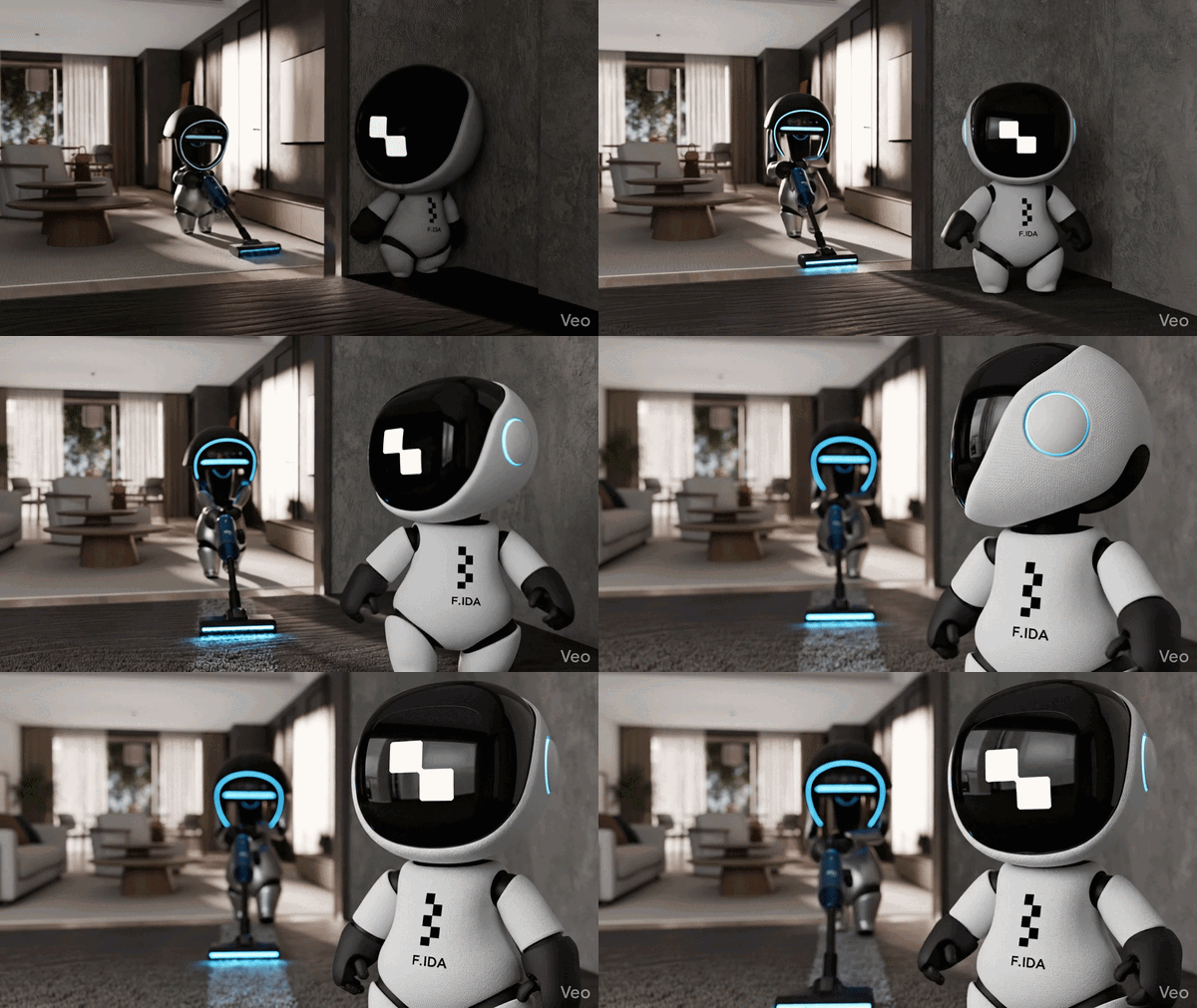
This project explores integrating AI video generation into a traditional 3D animation workflow. Most of the scenes were laid out and animated in Blender, maintaining full control over character motion, object movement, and camera blocking. Instead of fully rendering each shot, I rendered a single frame as a visual anchor and imported it into VEO3. From there, I crafted prompts to describe the intended motion, camera movement, and cinematic feel of the shot.
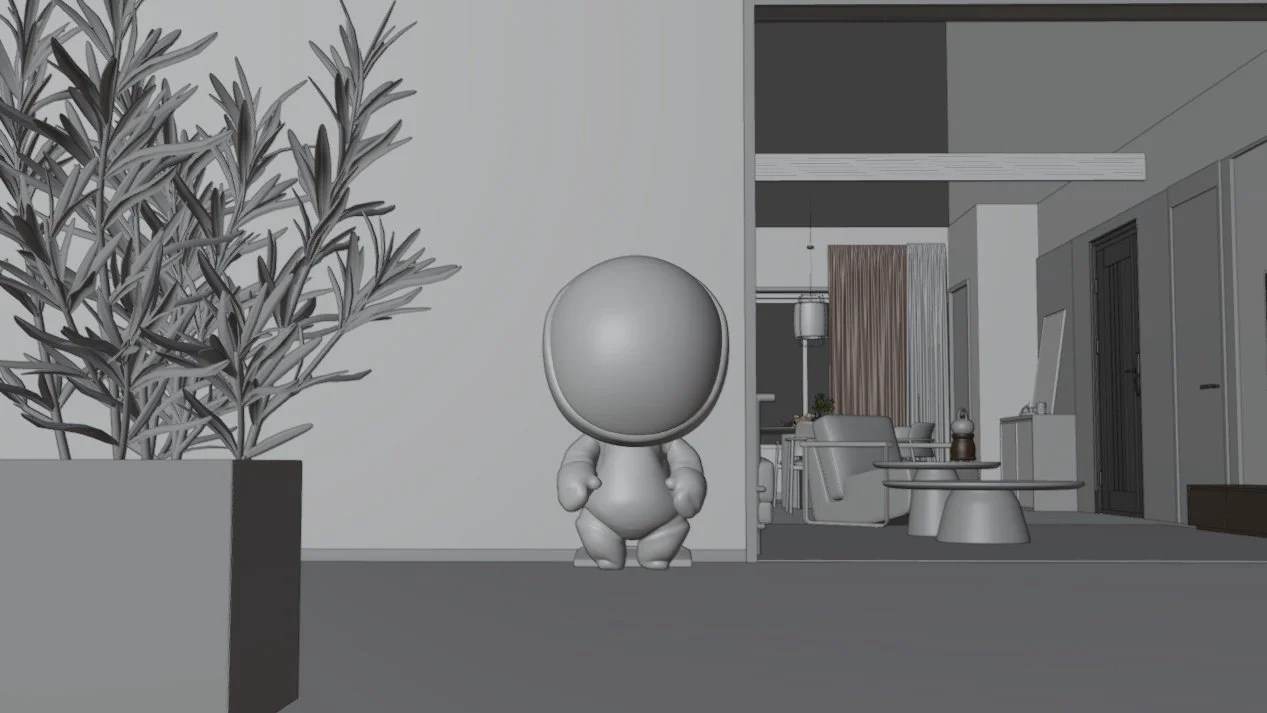
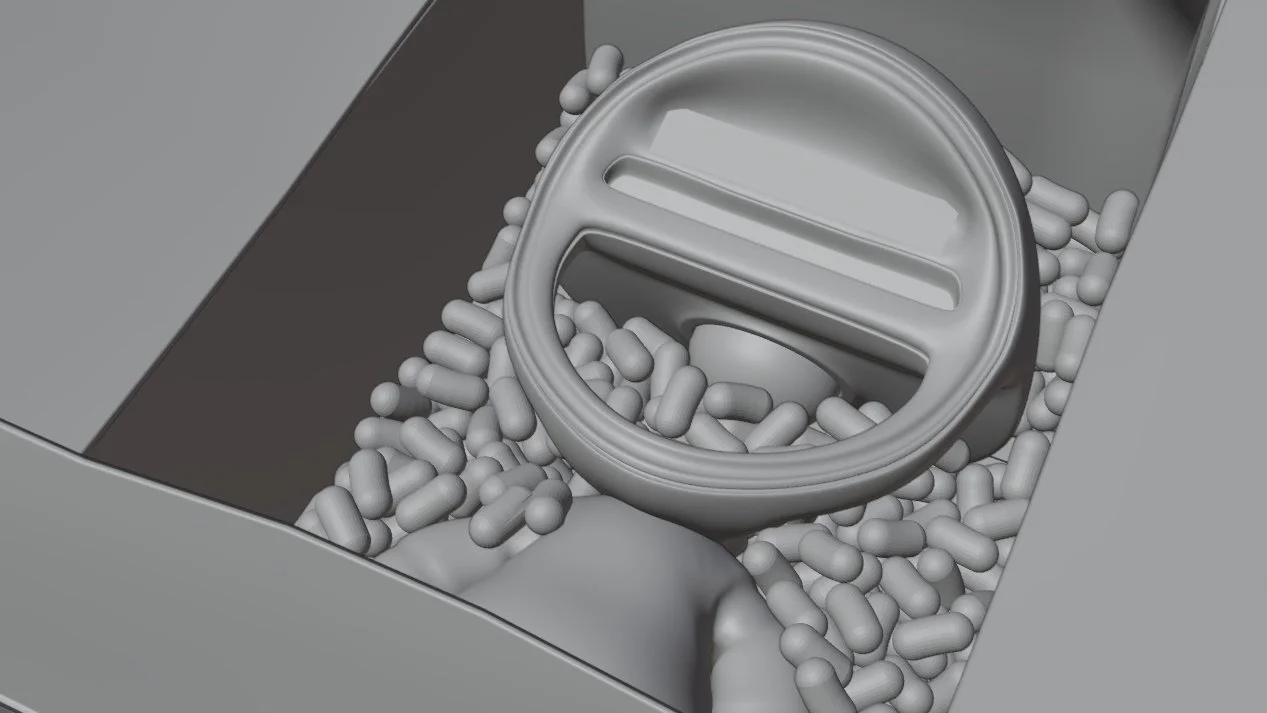
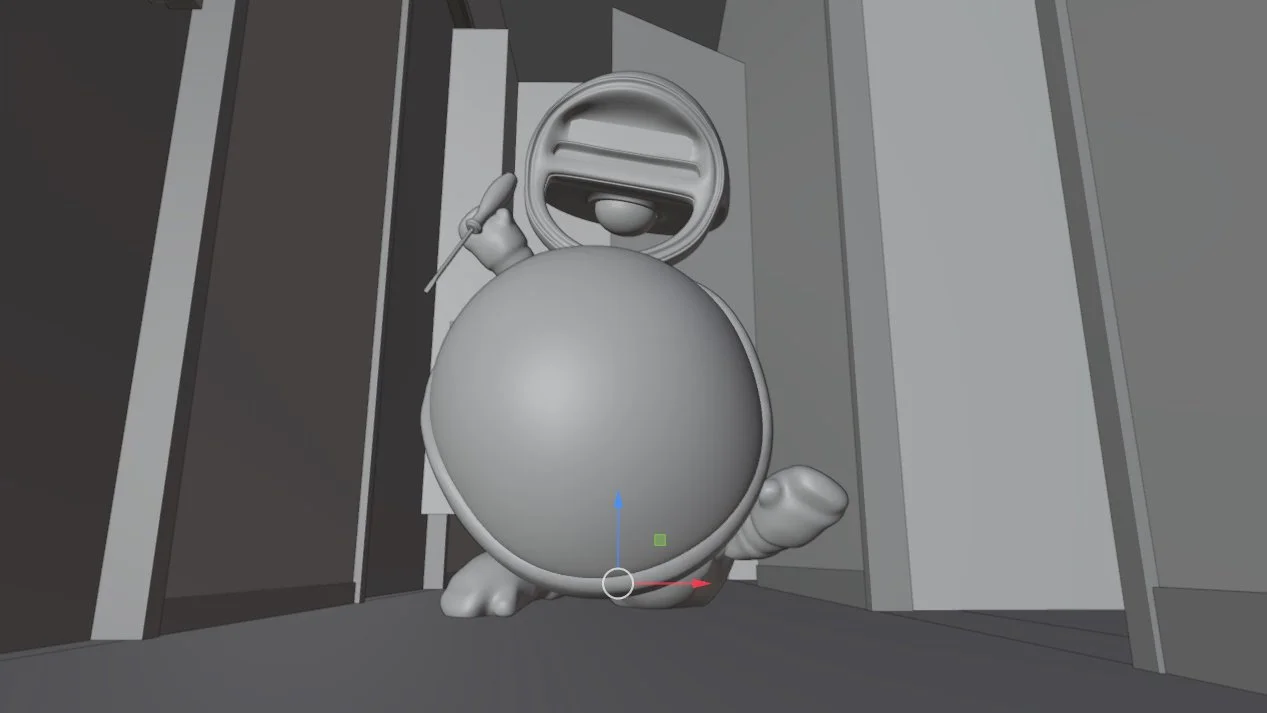
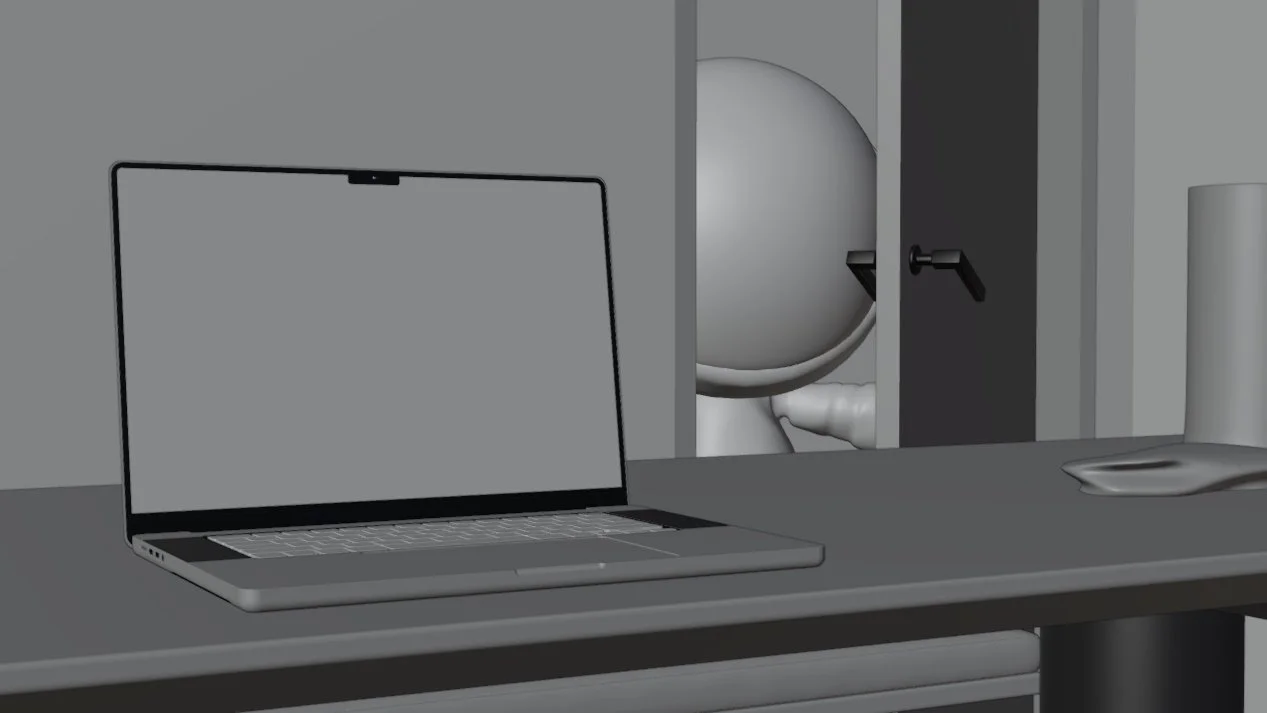
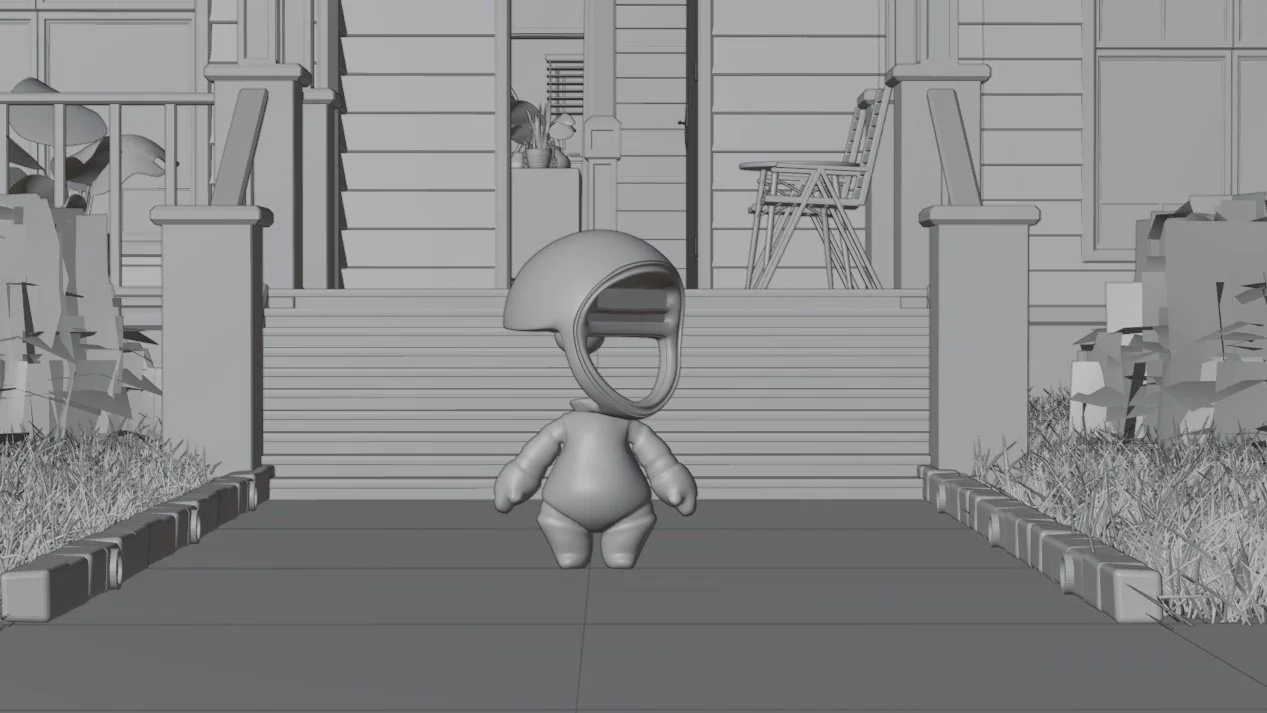
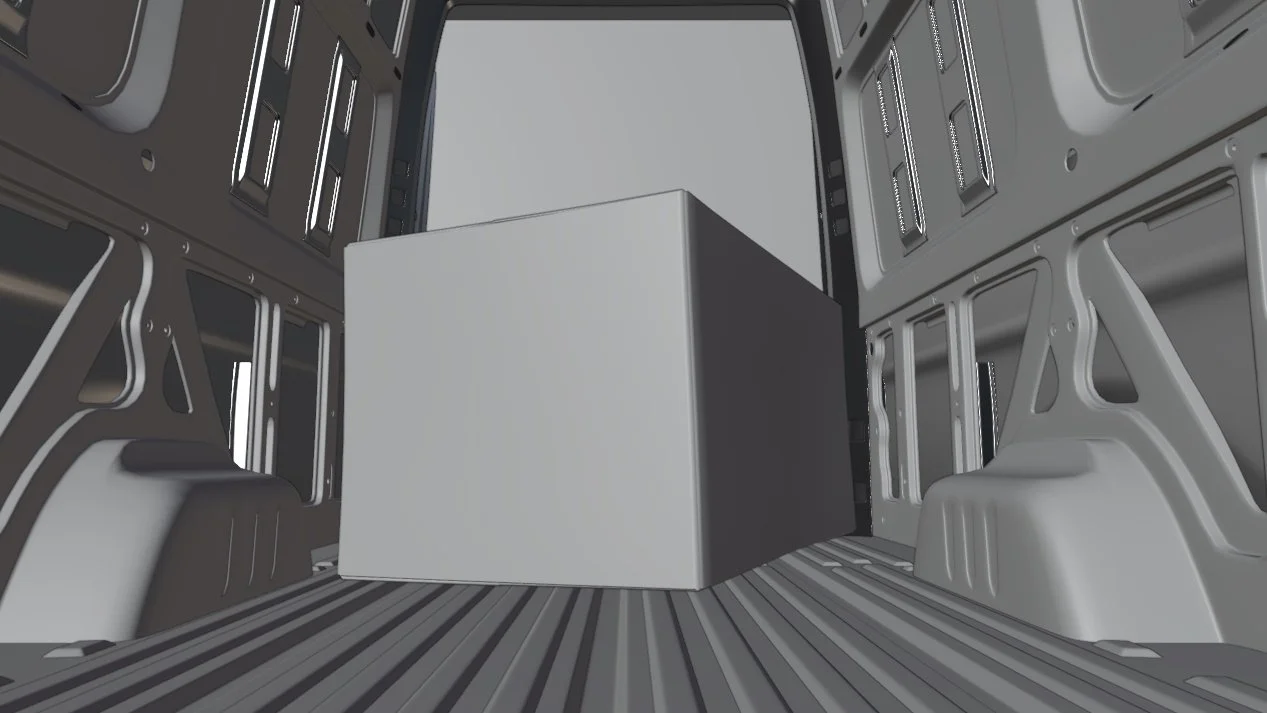
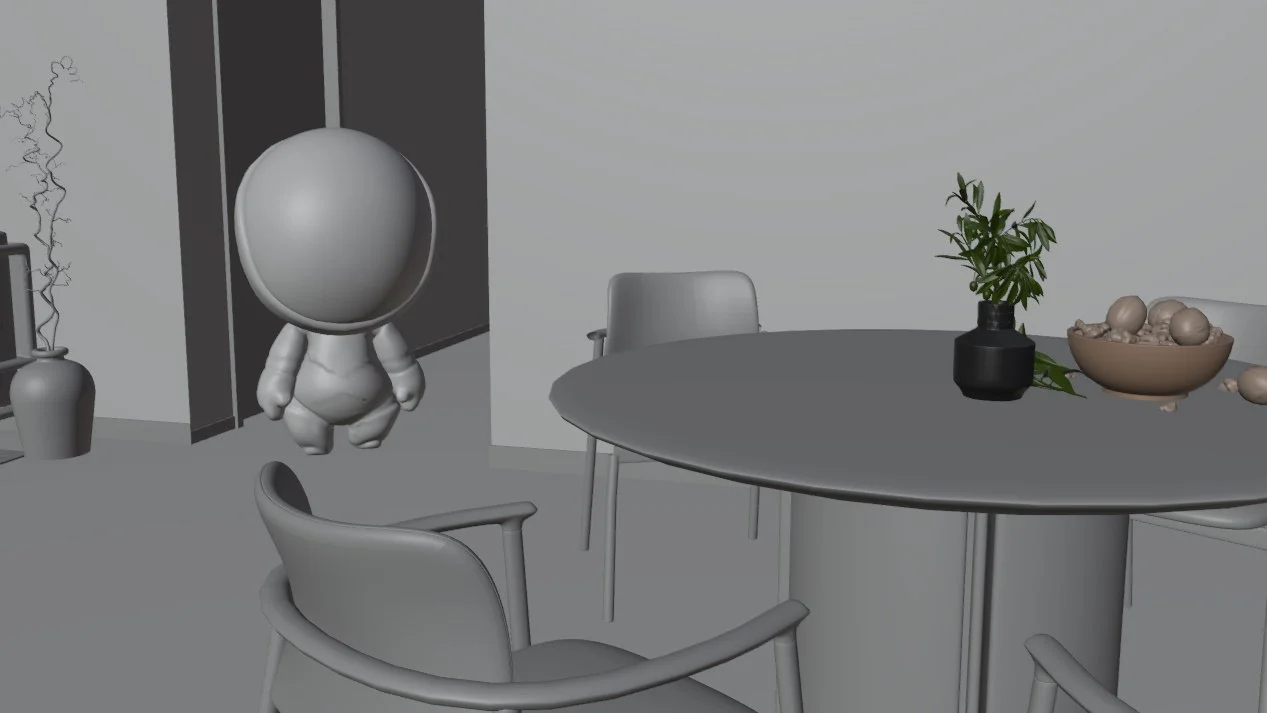
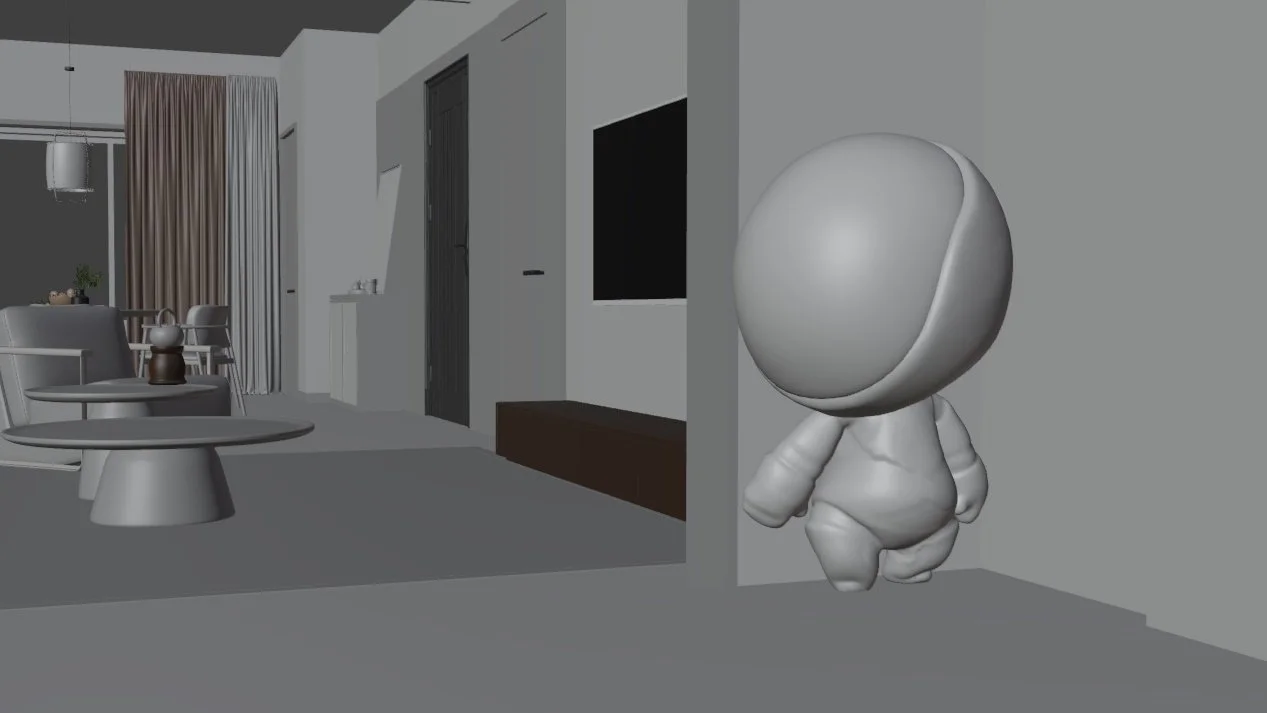
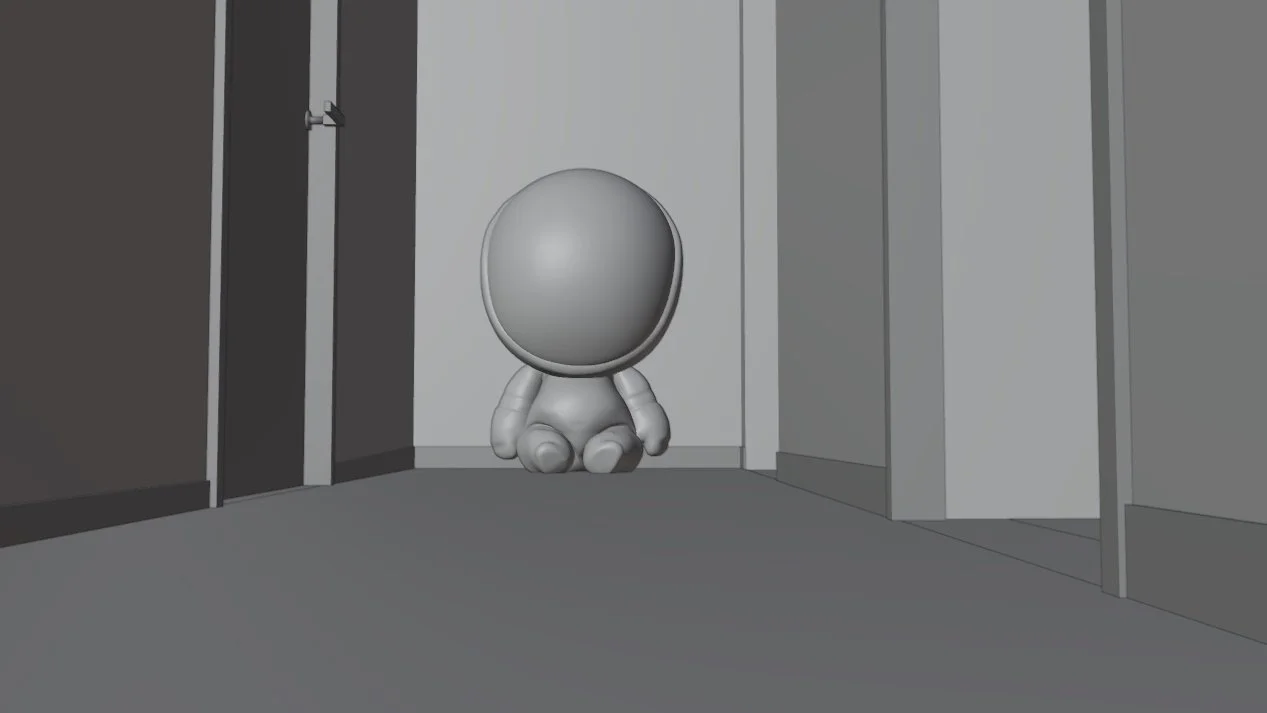
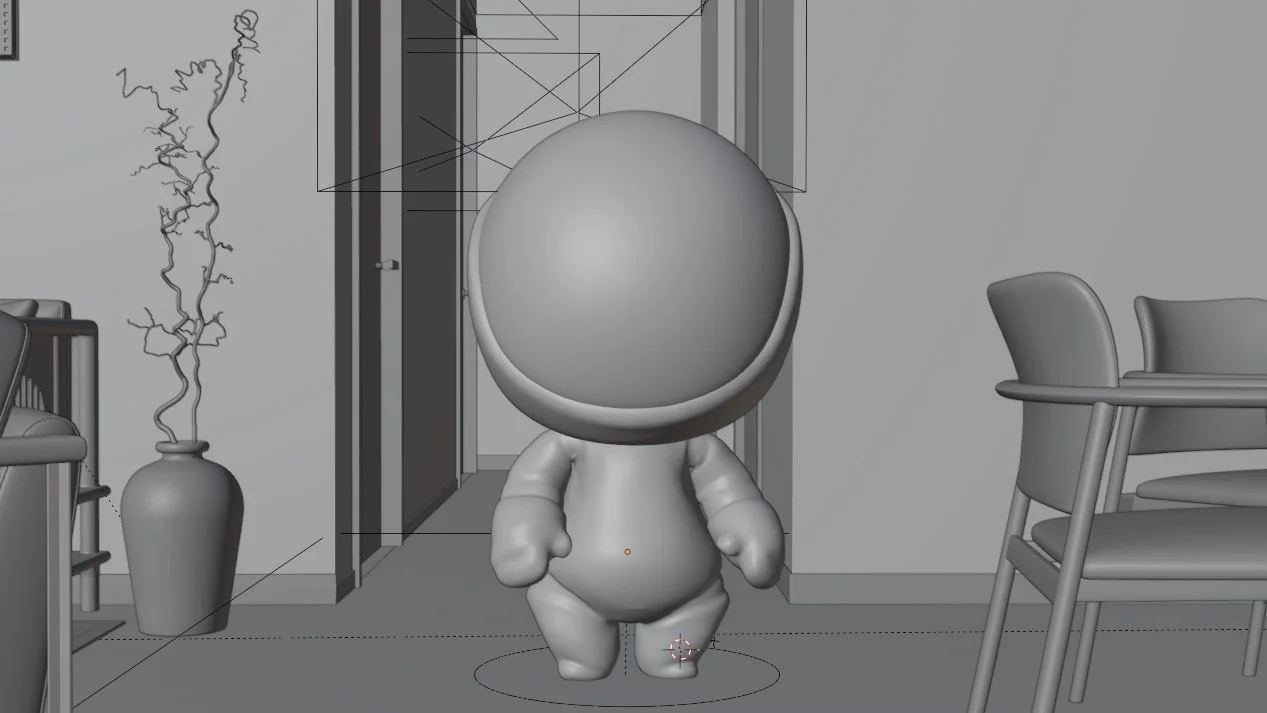
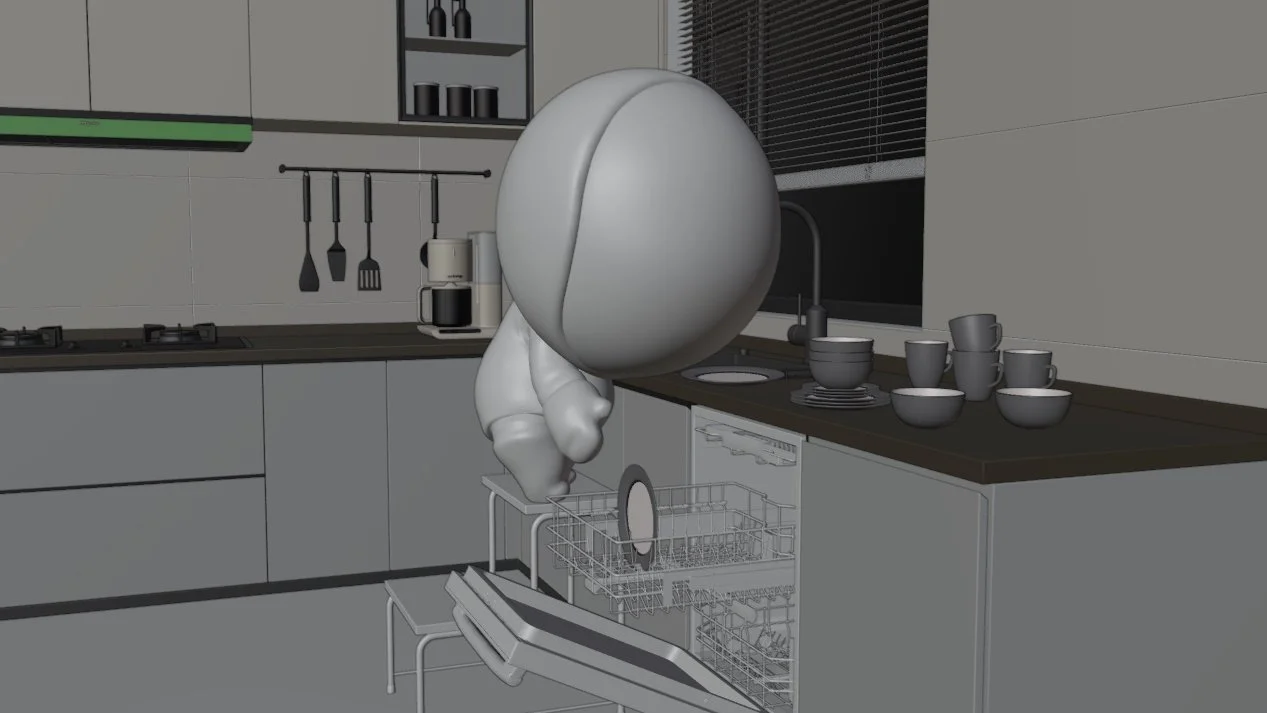
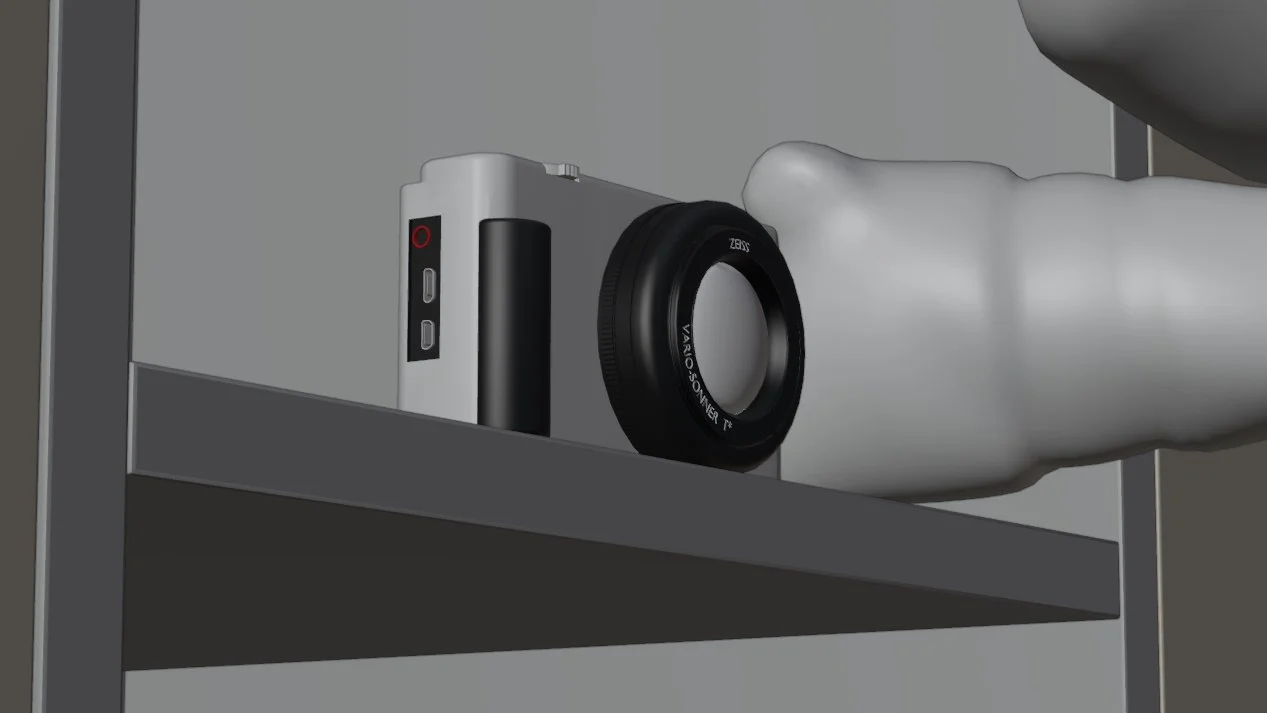
Sometimes Fail …
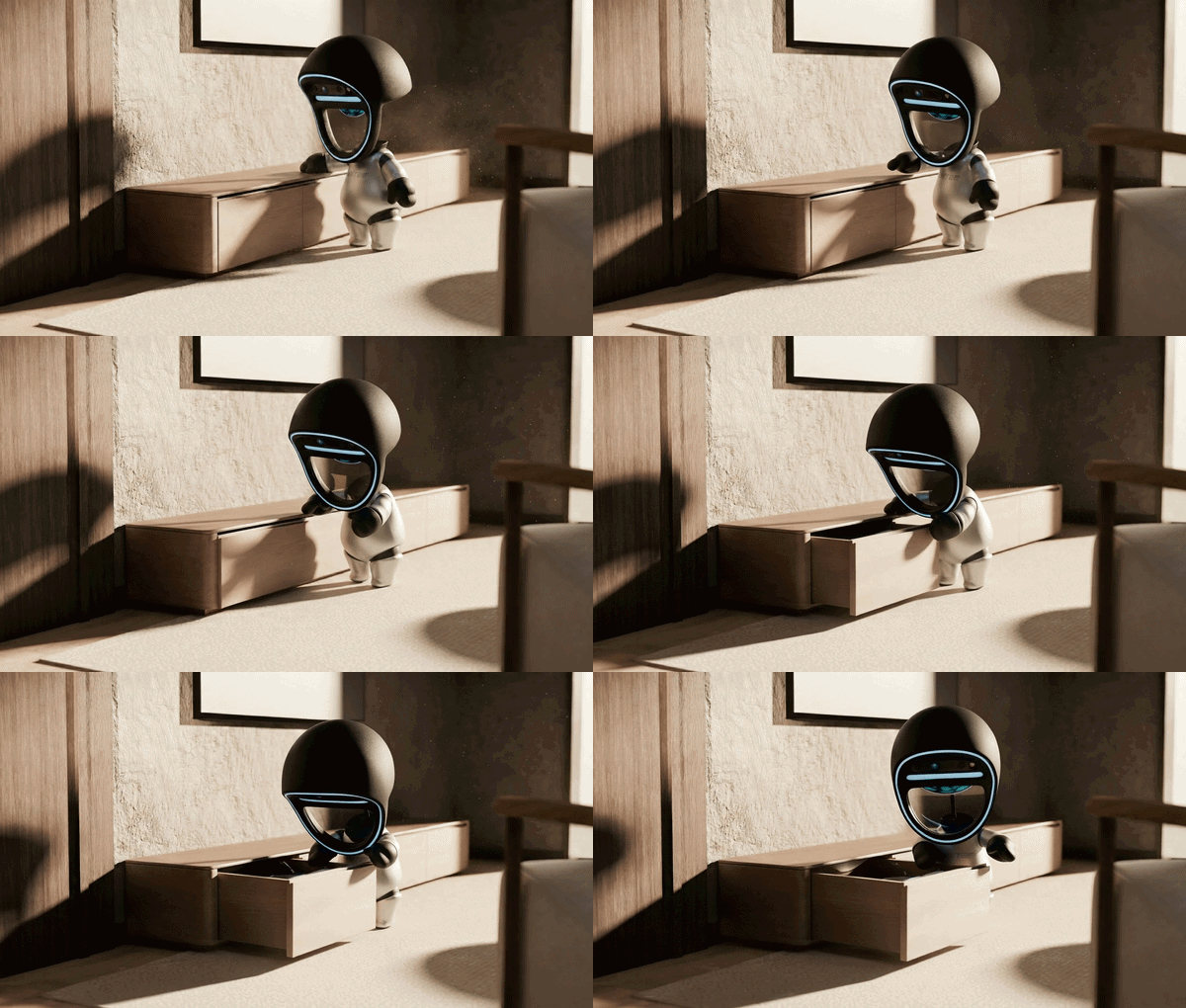
While some shots translated remarkably well through AI, many did not achieve the desired result. Out of 32 shots, only 4 were successfully generated using AI. Despite the inconsistency, this hybrid workflow significantly reduced production time and demonstrated strong potential for accelerating cinematic shot development while retaining creative control in the early animation stage.
The End
The presentation of this project has come to a close. I sincerely hope that you found it enjoyable. Thank you very much.